
%20(1).avif)
What Is Class Q and How Does It Work?
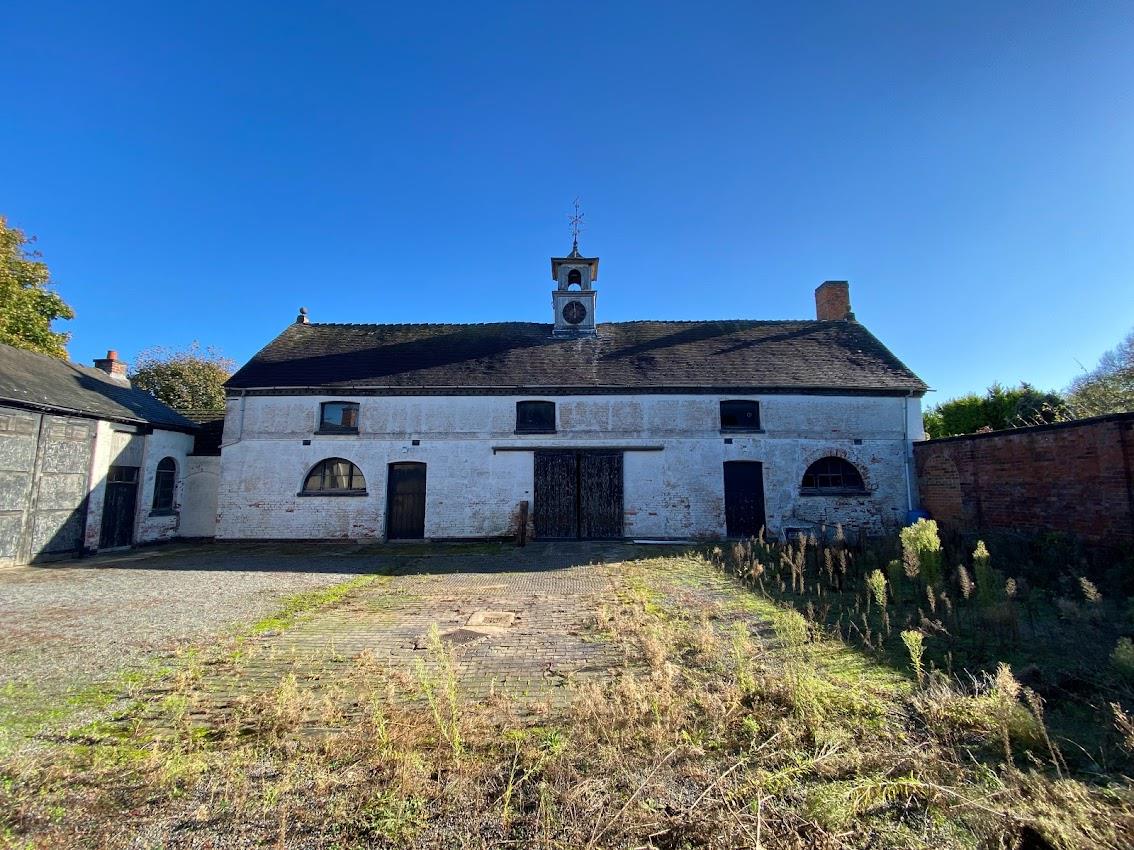
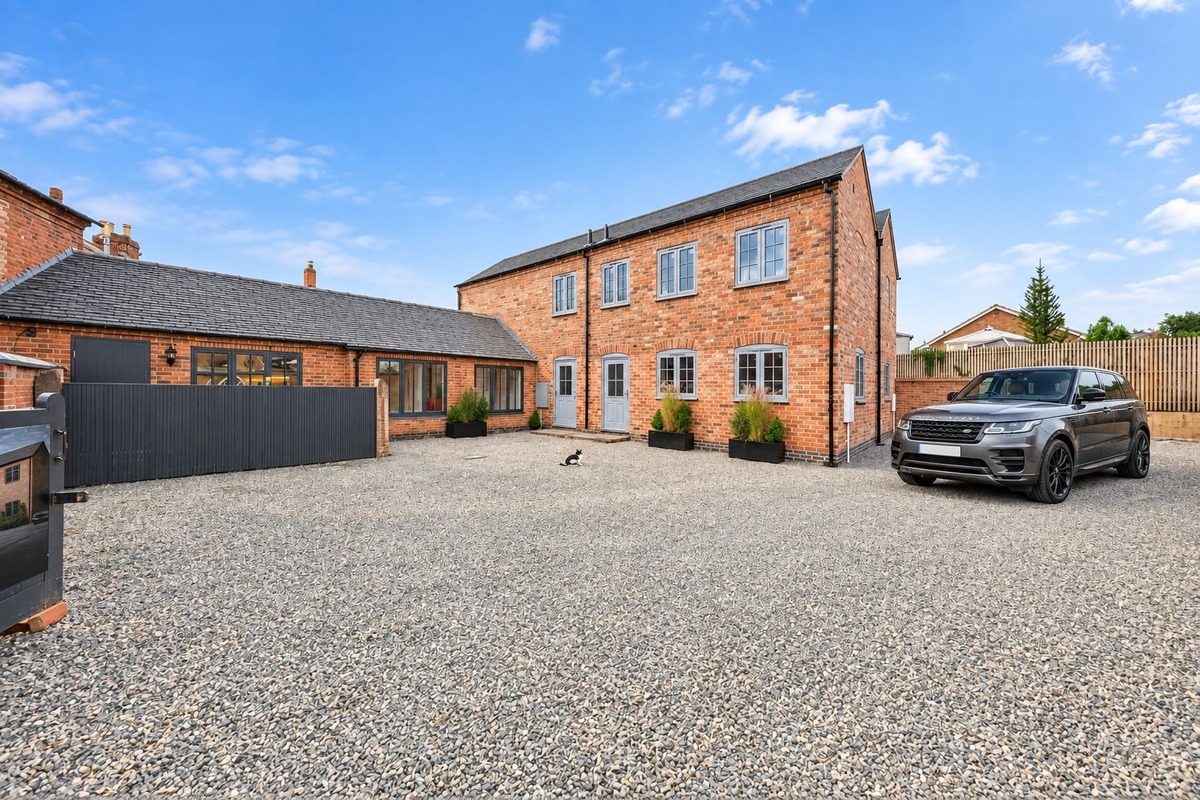
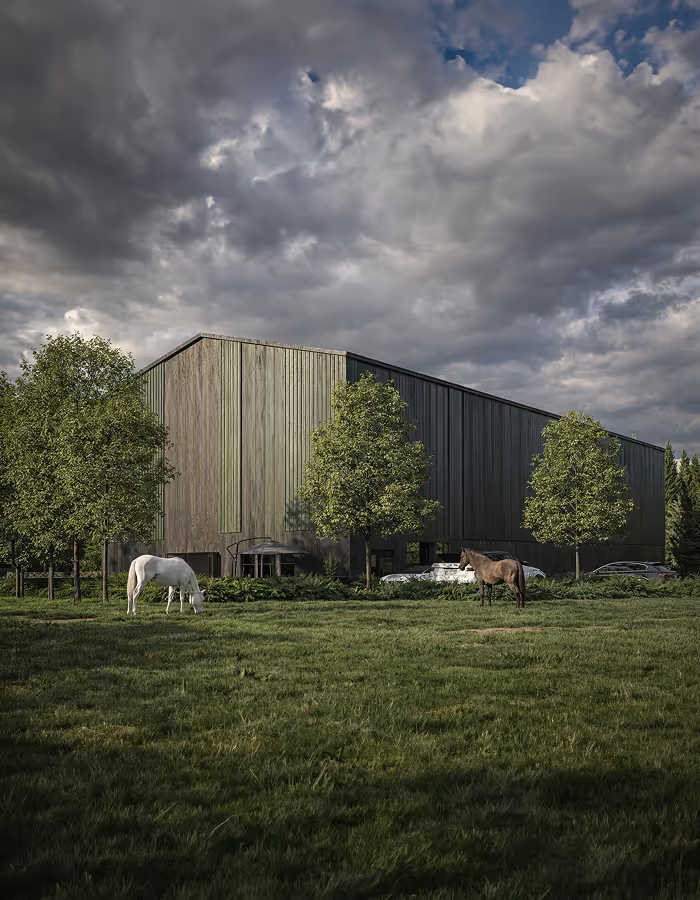
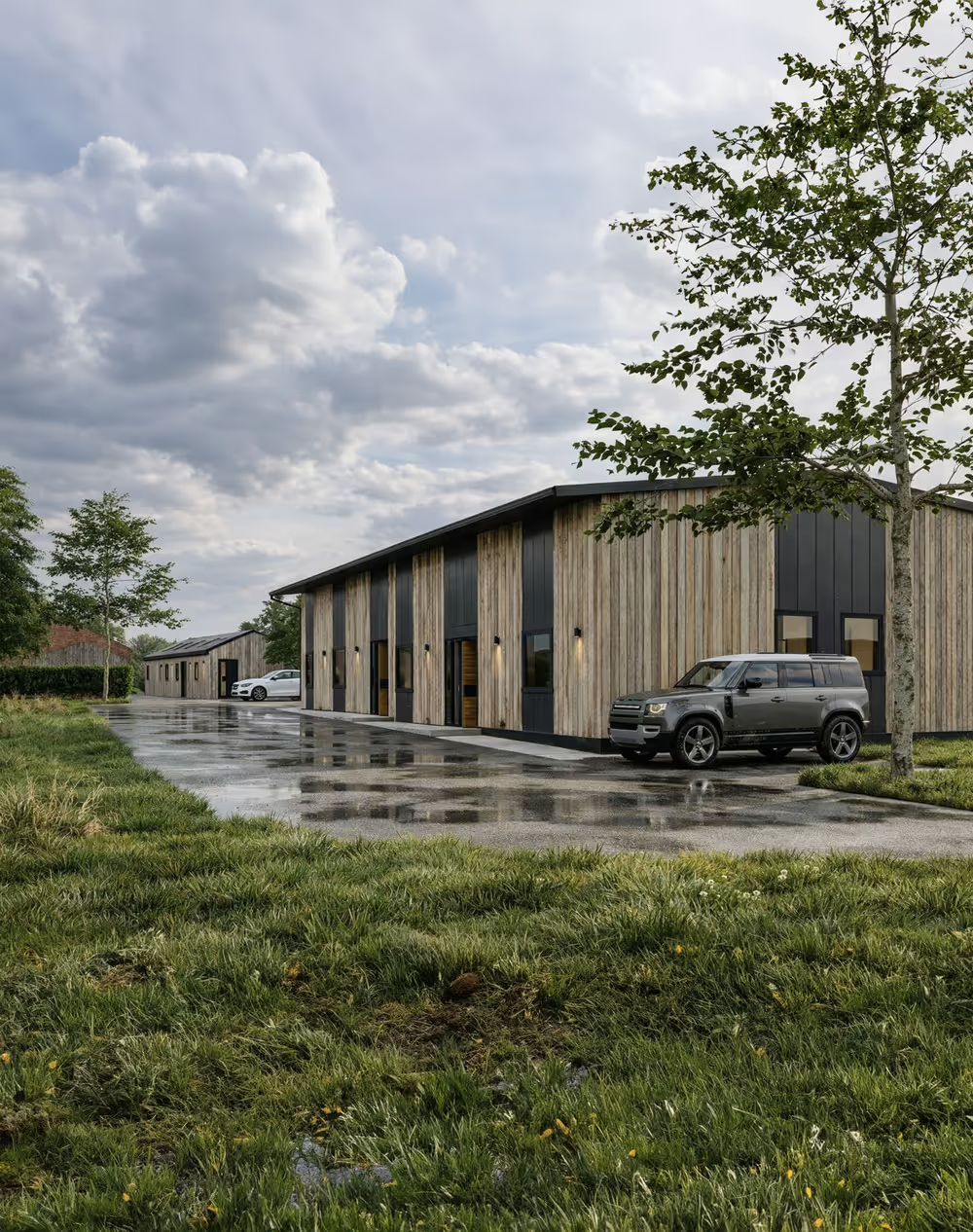
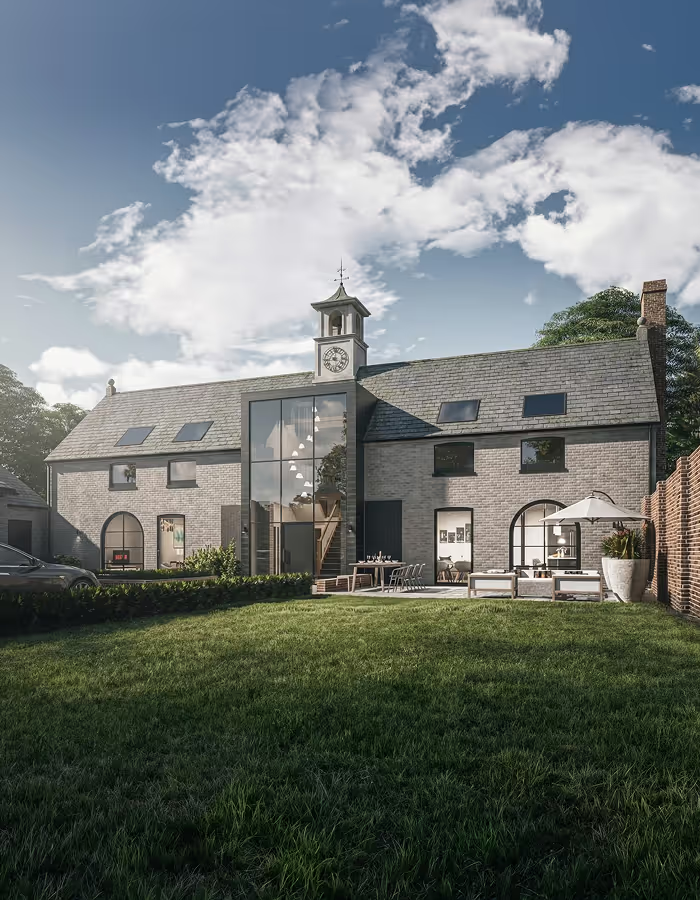
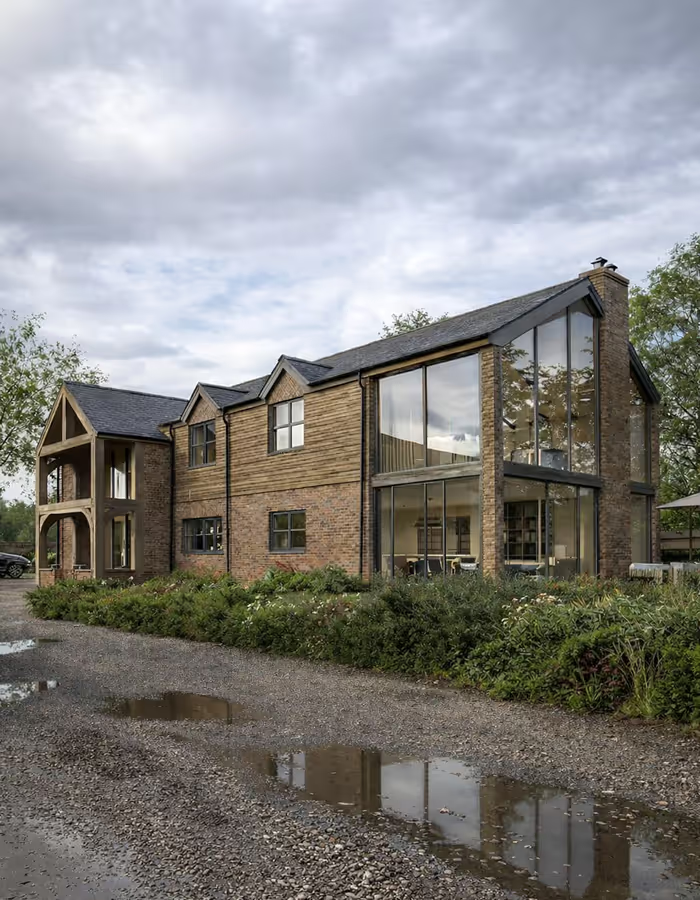
Class Q permitted development rights allow certain agricultural buildings to be converted into residential homes without the need for full planning permission. This route is often used across Derbyshire, Cheshire, and Staffordshire, where many rural sites include redundant barns or agricultural structures.
Instead of applying for a full planning application, Class Q works through a prior approval process. This is typically faster and more predictable, provided the building meets the criteria.
Under Class Q, agricultural buildings can be converted into:
- Up to 5 larger homes, or
- Up to 10 smaller homes
- Or a mix of both, subject to floor area limits
However, strict rules apply, and not every barn qualifies.
Key Planning Requirements for Class Q
Local authorities in Derbyshire, Cheshire, and Staffordshire carefully assess Class Q proposals. While it is permitted development, councils still review several planning considerations.
Typical prior approval matters include:
- Transport and highway impacts
- Noise from nearby agricultural or commercial uses
- Flood risk
- Design and external appearance
- Impact on the surrounding landscape
To qualify for Class Q, the building must:
- Have been used solely for agriculture on the required qualifying date
- Be structurally capable of conversion
- Not be located in certain protected areas
- Stay within the permitted floor area limits
In many rural parts of Derbyshire and Staffordshire, landscape sensitivity and countryside character are key considerations, even under permitted development.
.avif)
The Importance of a Planning-Led Approach
A successful Class Q conversion starts with a clear feasibility study.
This typically includes:
- Planning policy review
- Agricultural use verification
- Structural assessment
- Site constraints analysis
- Early design strategy
At Hawkstone Developments, we take a planning-led approach to Class Q projects, ensuring the proposal meets both the permitted development criteria and the expectations of the local authority.
This approach reduces risk, speeds up approvals, and ensures the finished home feels appropriate to its rural setting.

.png)
.avif)
.jpg)

.png)
.png)
.avif)
%20(1).avif)
.avif)
.avif)
%20(1).avif)
.png)
.avif)
%20(1).avif)
.avif)
.png)
.avif)