
Understanding Listed Buildings
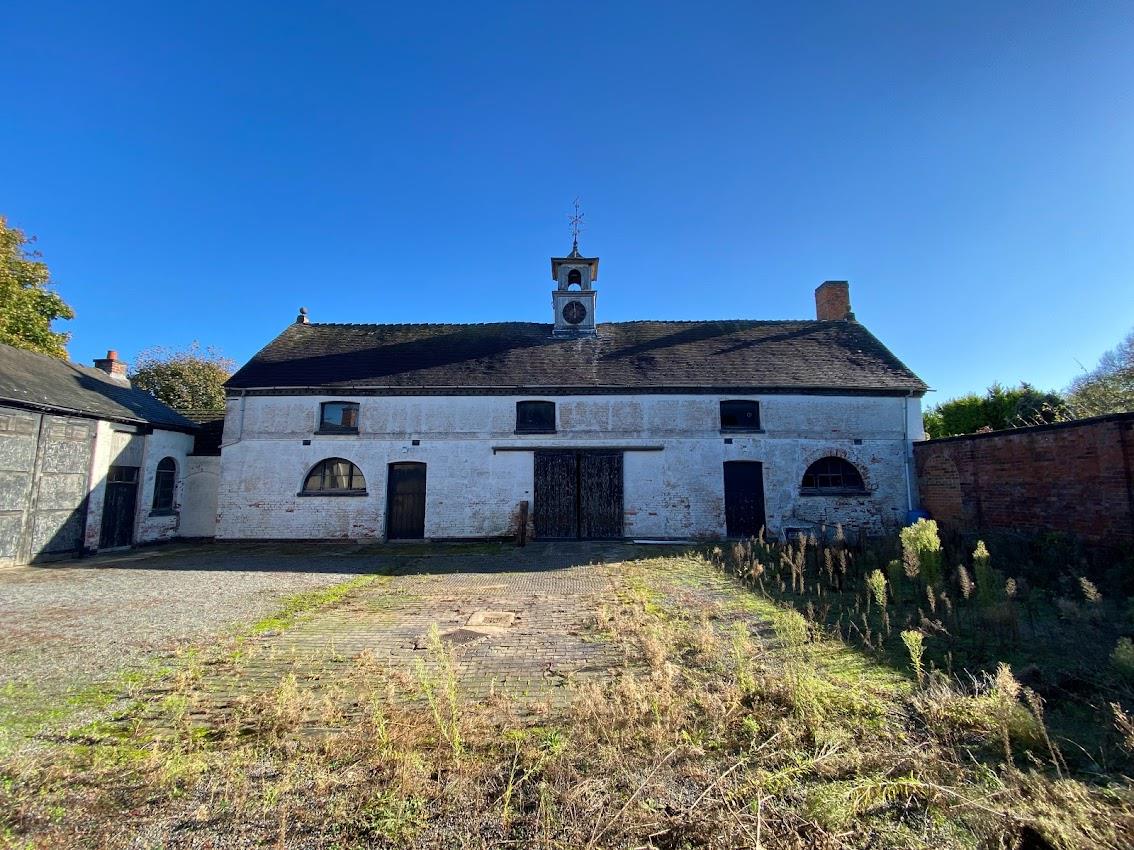
Listed buildings are some of the most characterful and historically important properties in the UK. Across Derbyshire, Staffordshire and Cheshire, they range from rural stone cottages and converted barns to Georgian townhouses, former mills, farmhouses, country estates and historic commercial buildings.
Owning or developing a listed building can be incredibly rewarding, but it also comes with extra responsibility. The key point to understand is that a listed building is protected because of its special architectural or historic interest. This protection usually applies to the whole building, including the interior, exterior, attached structures and, in many cases, buildings or features within its curtilage.
If proposed works would affect the character or appearance of the building, you may need listed building consent before starting. This is separate from standard planning permission and can apply to both internal and external alterations. Historic England advises that owners should check with their local authority conservation officer before carrying out works, as unauthorised works can be a criminal offence.
Do You Need Listed Building Consent?
Listed building consent is usually required for demolition, alterations or extensions that could affect the special character of a listed building. This does not mean listed buildings cannot be changed. In many cases, sensitive upgrades, repairs, conversions and extensions are possible, but they need to be approached carefully and justified properly.
Common works that may need listed building consent include:
- Replacing windows or doors
- Altering internal walls, fireplaces, staircases or floors
- Adding extensions, porches or rooflights
- Changing roofing materials
- Installing new services, pipework, vents or flues
- Removing historic plaster, timber, stonework or brickwork
- Works to outbuildings, boundary walls, gates or railings within the curtilage
- Demolition of part or all of the building
Planning permission may also be required alongside listed building consent, especially for extensions, demolition, change of use, new buildings within the grounds or external alterations. The Planning Portal states that listed building controls are in addition to normal planning rules, and that planning permission may still be needed where works affect the character of the building.
How to Navigate the Process in Derbyshire, Staffordshire and Cheshire
Navigating works to a listed building starts with understanding why the property is protected in the first place. Every listed building has its own significance, whether that comes from its age, materials, craftsmanship, layout, setting, previous use or surviving historic features.
Listed buildings are graded according to their importance. Grade I buildings are of exceptional interest and represent a very small proportion of listed buildings. Grade II* buildings are particularly important and of more than special interest. Grade II buildings are the most common, but they are still legally protected and should not be treated as “less important” when considering alterations.
The level of grading can influence how sensitive a proposal is likely to be, but the key question is always the same: will the proposed works affect the special architectural or historic interest of the building? If the answer is yes, listed building consent is likely to be required.
For properties across Derbyshire, Staffordshire and Cheshire, the process will usually involve the local planning authority, and in many cases a conservation officer. Their role is to assess how the proposed works affect the building’s character and whether the changes are justified, sympathetic and properly detailed.
A strong application should clearly explain the existing building, identify the elements that are significant, and show how the proposal has been designed to respect them. This often includes existing and proposed drawings, photographs, a schedule of works and, where required, a heritage statement.
The most successful projects are usually those that take a careful, informed approach from the outset. Rather than treating heritage as a barrier, it should be seen as part of the design brief: understanding what should be preserved, where change may be acceptable, and how modern requirements can be introduced without undermining the building’s character.
The Main Dos and Don’ts
Do speak to the conservation officer early. Early advice can save time, reduce redesign work and highlight issues before an application is submitted.
Do repair rather than replace where possible. Traditional buildings often perform best when repaired using compatible materials and techniques. The Peak District National Park Authority advises repairing rather than replacing, keeping as much historic fabric as possible, and using matching materials where replacement is unavoidable.
Do use the right materials. Lime mortar, natural stone, timber windows, slate, clay tile and traditional detailing may be more appropriate than modern substitutes, depending on the building.
Do record the existing building properly. Photographs, measured drawings and a clear schedule of works can help show exactly what is changing and what is being retained.
Don’t assume Grade II means “less protected”. Most listed buildings are Grade II, but consent is still required where works affect special interest.
Don’t start work before consent is granted. Carrying out works that require listed building consent without approval can lead to enforcement action, prosecution, reinstatement costs and issues when selling the property.
Don’t remove historic features without strong justification. Original windows, doors, fireplaces, floors, staircases, roof structures and decorative details often contribute heavily to a building’s significance.
Don’t forget the setting. The land, outbuildings, walls, gates, railings and surrounding context can all matter, especially in villages, conservation areas and rural locations.
How Hawkstone Developments Can Help
Listed building projects need a careful balance between heritage protection, practical use and long-term value. Whether you are considering a renovation, conversion, extension or change of use, the strongest approach is to understand the building first and design around its significance.
At Hawkstone Developments, we help clients navigate the planning and heritage process across Derbyshire, Staffordshire and Cheshire. We can support with early feasibility advice, planning strategy, consultant coordination, design development and the preparation of robust information for listed building consent applications.
The right advice at the beginning of a project can make a major difference. It can help avoid delays, reduce risk, and create proposals that are more likely to be supported by conservation officers and local planning authorities.
If you are looking at a listed building project in Derbyshire, Staffordshire or Cheshire, get in touch with Hawkstone Developments to discuss the site, the opportunity and the best route forward.

.avif)
%20(1).avif)
.jpg)
.avif)
.png)
.avif)
.avif)
%20(1).avif)
.png)
.png)
.png)
.png)

.avif)
.avif)
%20(1).avif)
.avif)
.avif)