
.png)
A Historic Building with a Rich Heritage
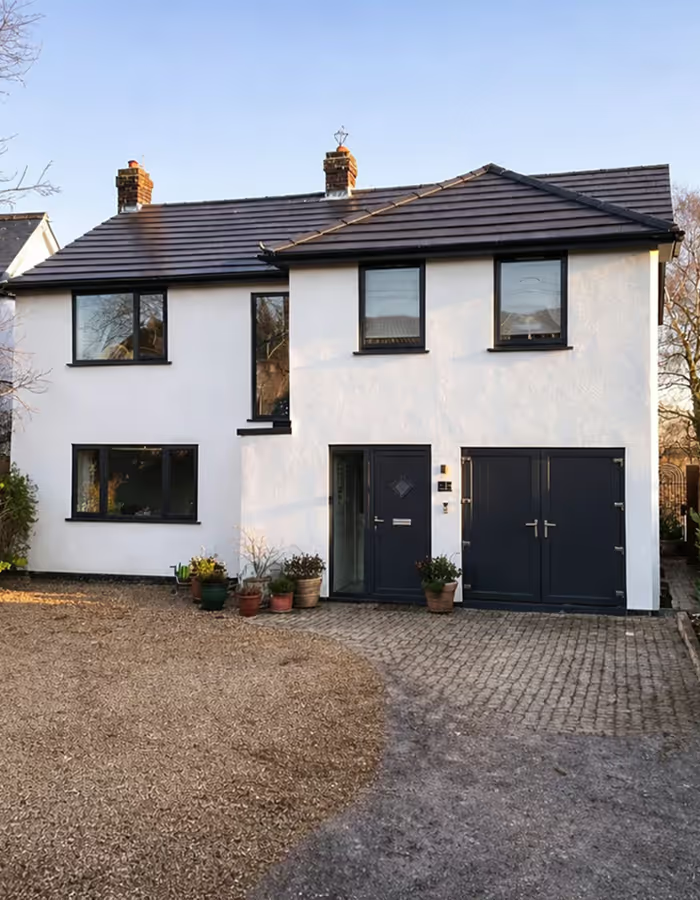
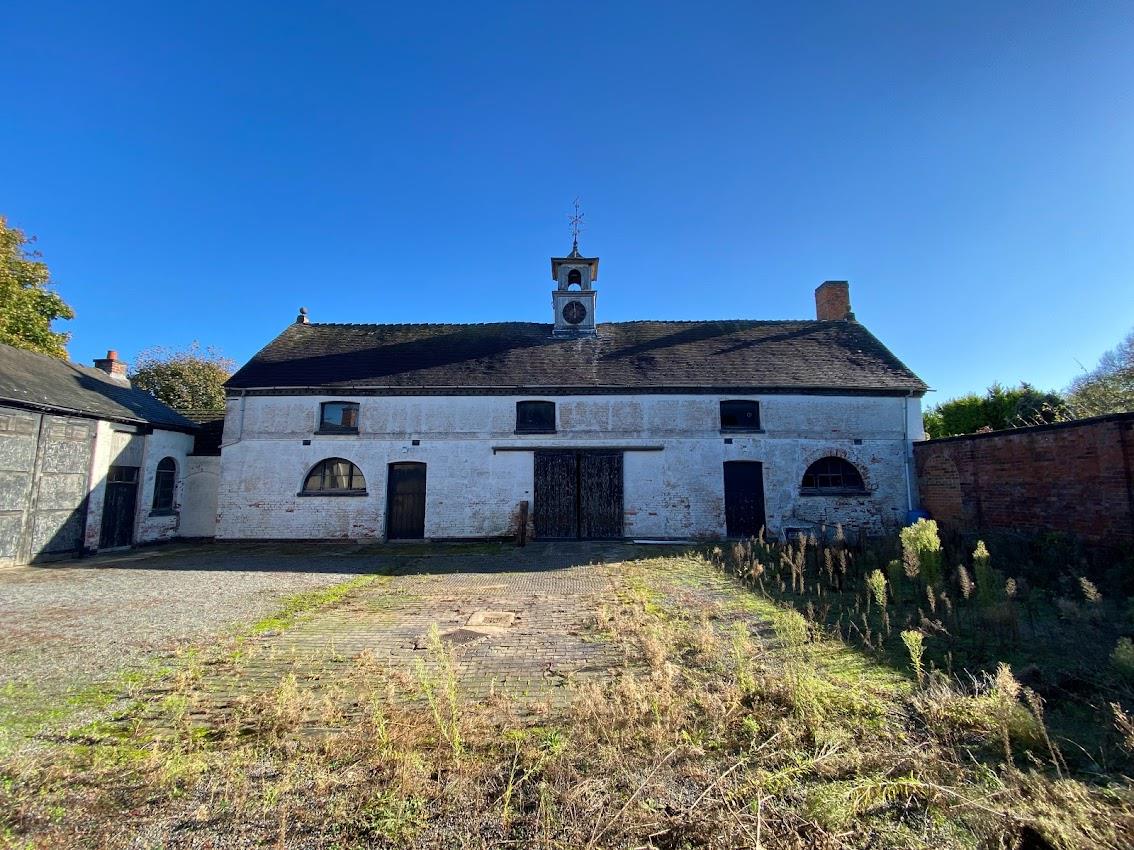
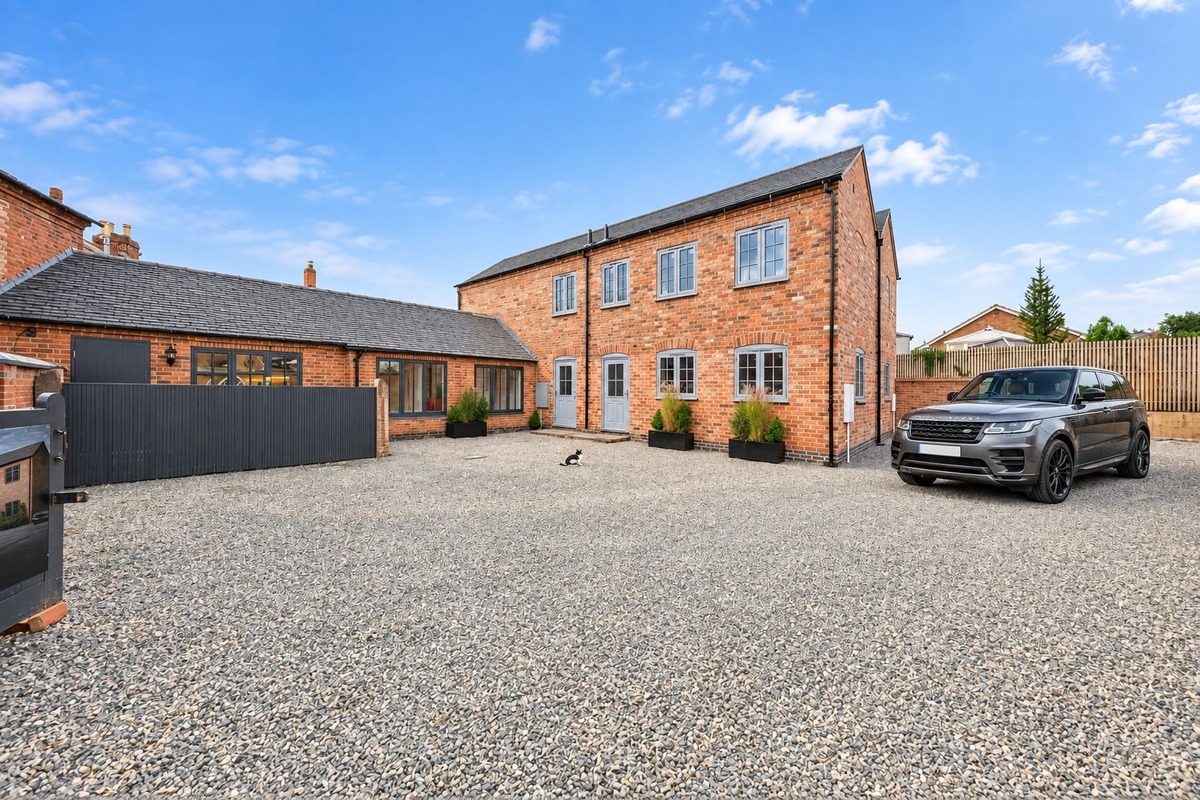
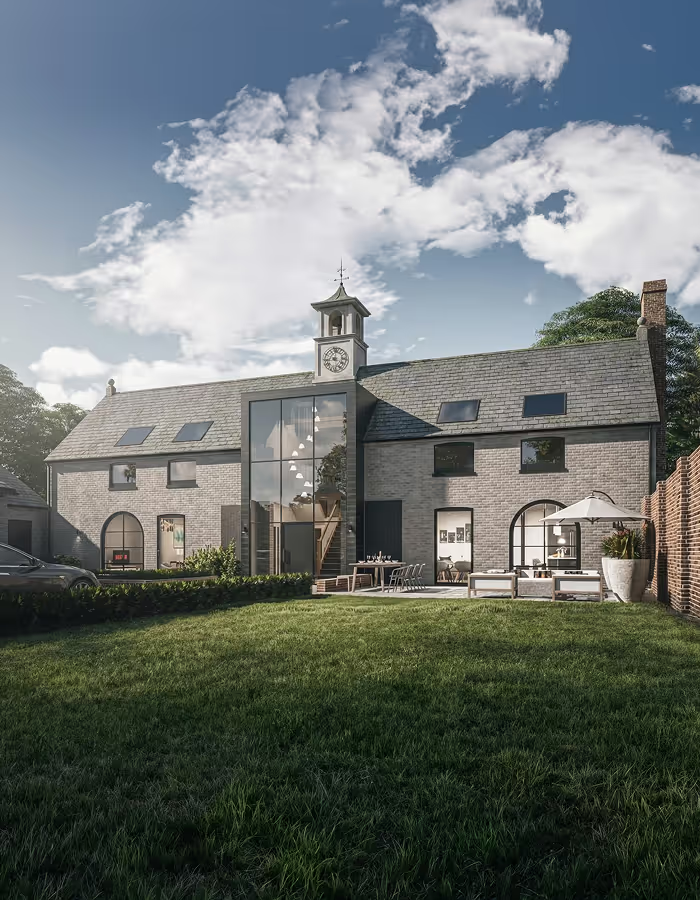
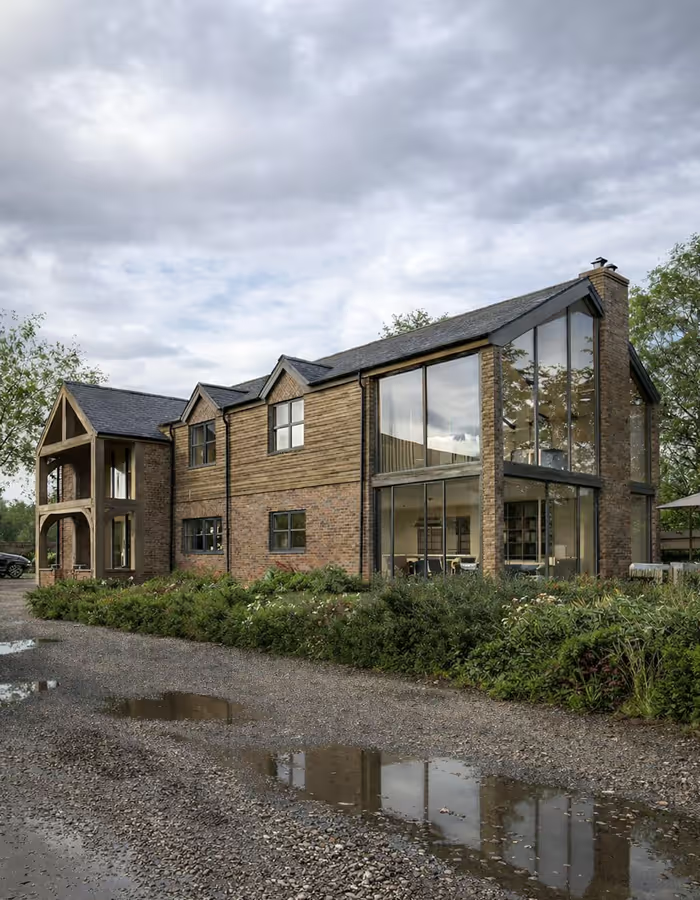
Barrow House is a remarkable Grade II listed building located within the conservation area of Barrow upon Trent. Originally constructed as part of the historic Barrow Hall estate during the early 19th century, the building served as a coach house and stable range and retains many of its original architectural features, including its distinctive clock tower, brickwork detailing and former stable elements.
Working on a building of this significance required a careful balance between preserving its historic character and adapting it to meet the needs of modern family living.
Unlocking the Potential of Underused Space
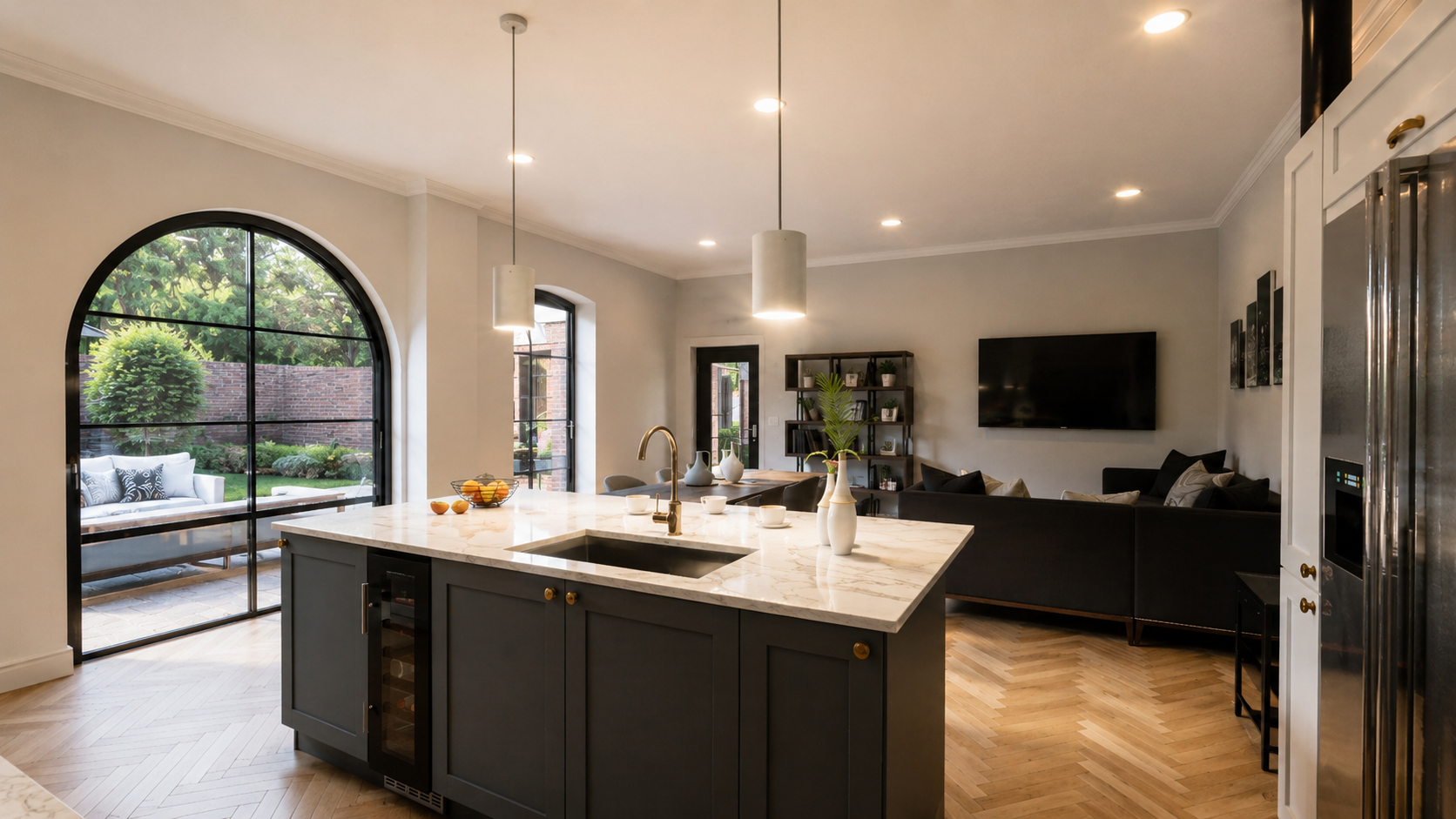
The brief centred around transforming a substantial amount of underutilised floor space into practical, high-quality living accommodation. Much of the existing building was historically used for storage and ancillary functions, leaving significant opportunities to improve the internal layout without increasing the overall footprint of the property.
Our design approach focused on creating a more cohesive family home while retaining the character-defining features that make the building unique. The challenge was to maximise the usable accommodation whilst ensuring that every intervention respected the building's heritage significance.
Designing Within a Listed Building and Conservation Area
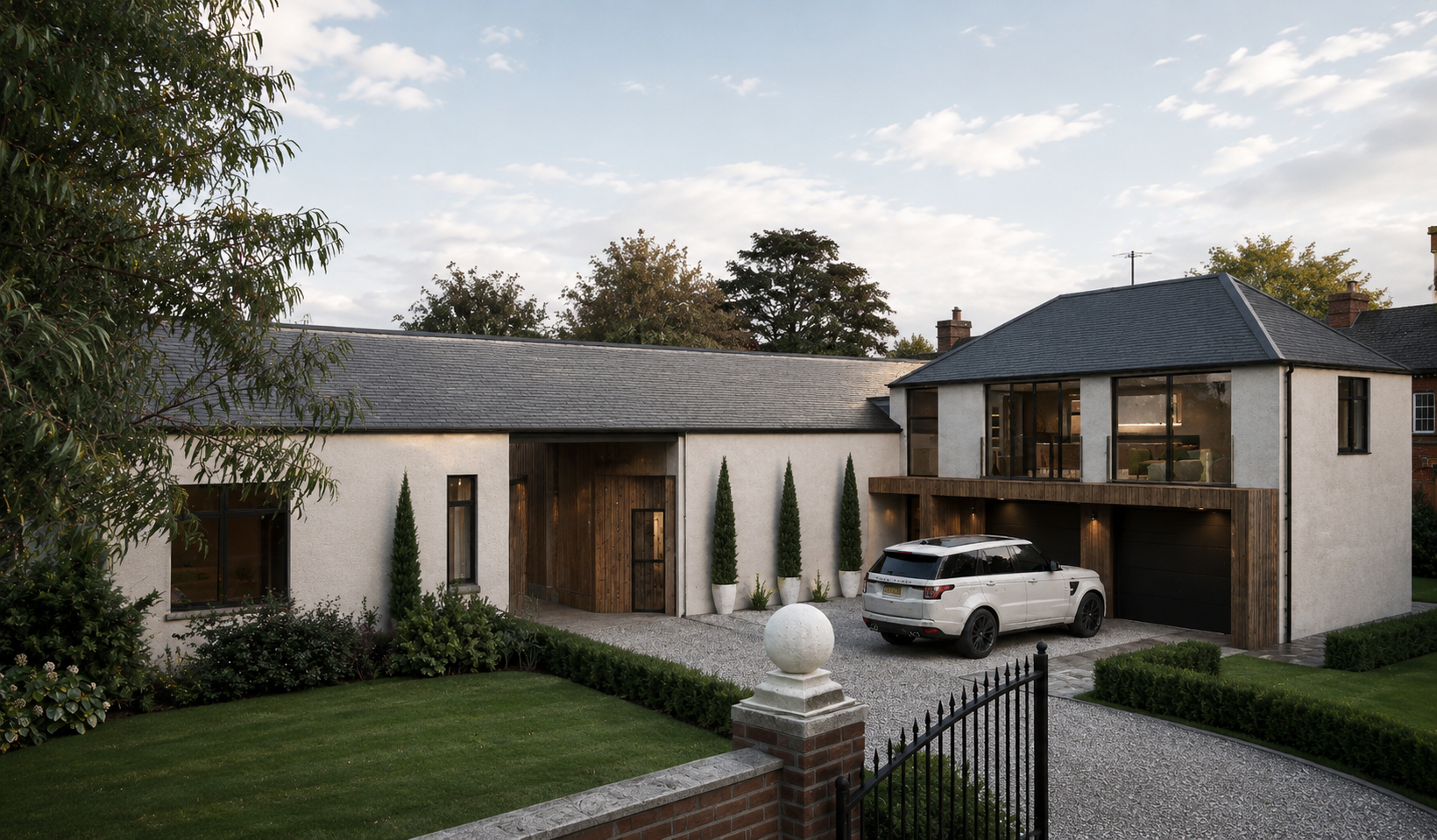
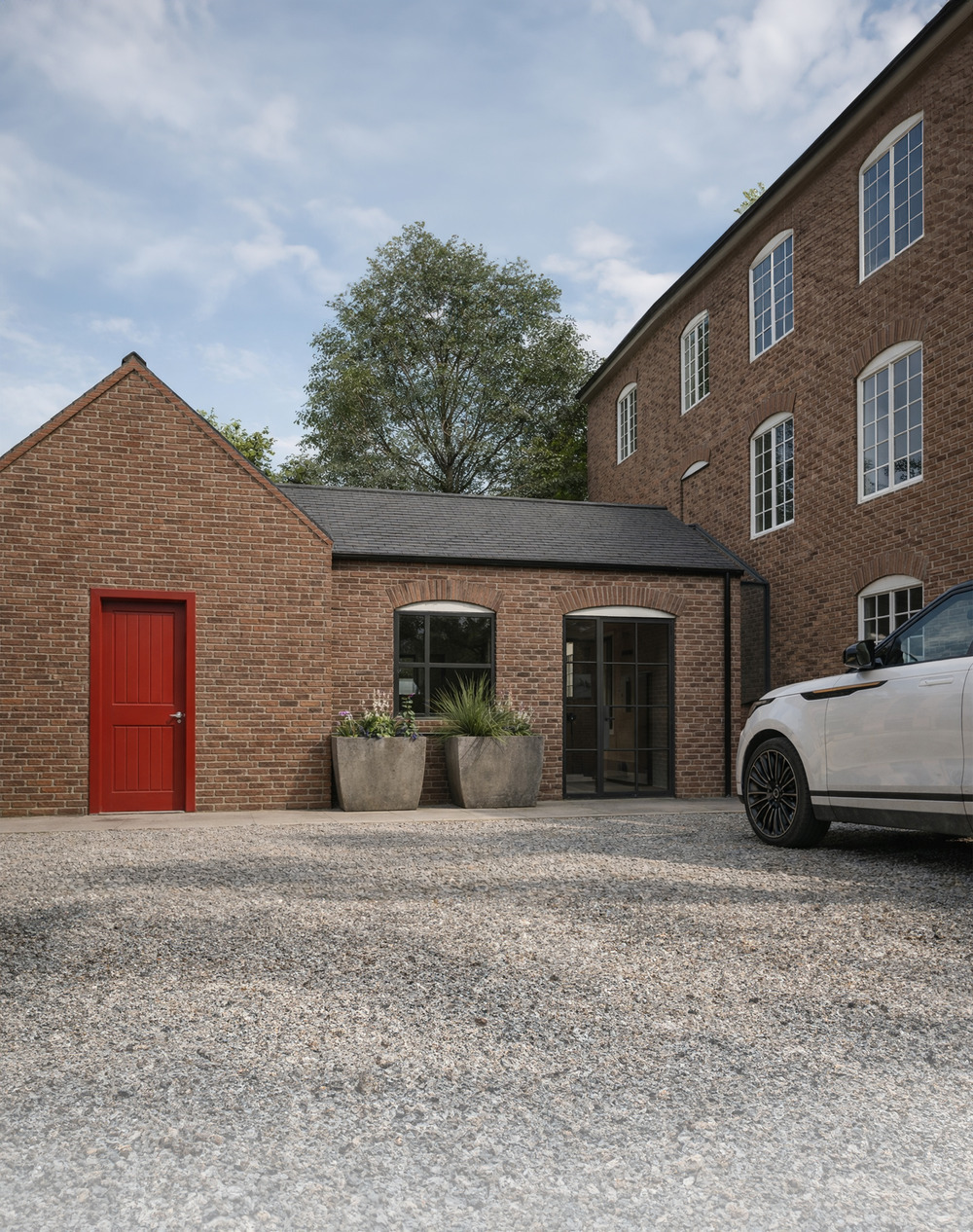
Listed buildings require a sensitive and considered design approach. Throughout the project, close attention was paid to preserving historic fabric, maintaining important architectural features and ensuring that any new additions were sympathetic to the original structure.
Working closely with conservation officers and heritage consultants, the proposals evolved through multiple design iterations. Particular attention was given to material selection, window and door detailing, roof alterations and the relationship between existing and proposed elements.
The final design successfully demonstrates how historic buildings can be adapted for contemporary living without compromising their architectural integrity. Listed building consent is required for alterations to designated heritage assets, making early engagement and careful design development essential throughout the process.

Securing Planning Permission
Following extensive design development, heritage assessments and consultation with the local authority, planning permission and listed building consent have now been secured.
The approval represents the culmination of significant collaboration between the client, design team, heritage specialists and planning officers. Achieving consent on listed buildings often requires a detailed understanding of both planning policy and conservation principles, with every aspect of the proposal needing to demonstrate clear justification.
The approved scheme ensures the long-term future of the building whilst delivering a high-quality family home that respects its historic setting.
Bringing Historic Buildings Back to Life
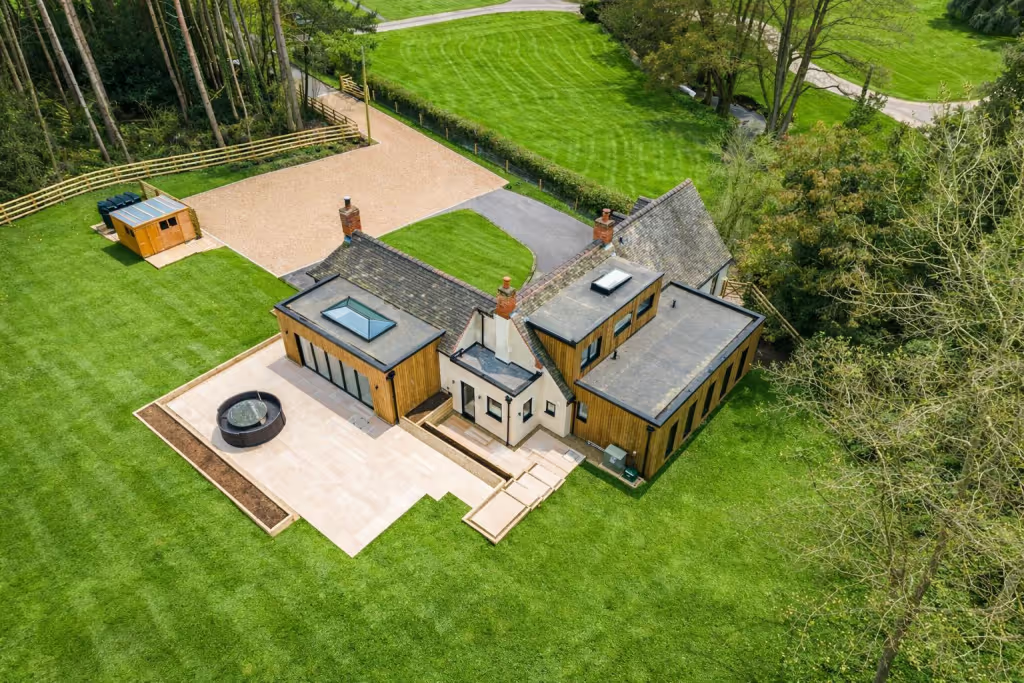
Projects such as Barrow House demonstrate the value of thoughtful architectural design when working with historic buildings. By combining modern living requirements with a deep respect for heritage, it is possible to create exceptional homes that preserve local history for future generations.
We are delighted to have helped secure this approval and look forward to supporting the project through the next stages of technical design and construction.
If you own a listed building or are considering alterations within a conservation area, our team can guide you through the planning and heritage process from initial concept through to planning approval and construction drawings.

.png)
.avif)

.png)
%20(1).avif)
.png)
.avif)
.avif)
%20(1).avif)
.avif)
.avif)
.avif)
.png)
%20(1).avif)
.png)
.avif)
.avif)