
What Is the New National Planning Policy Framework?
The National Planning Policy Framework, commonly referred to as the NPPF, is the principal national planning policy document for England.
It explains how national planning policies should be applied when local authorities prepare Local Plans and decide planning applications. The NPPF influences whether development is considered acceptable in principle and how issues such as housing, design, Green Belt, heritage, transport, sustainability and the natural environment should be assessed.
The Government published a draft replacement NPPF for consultation on 16 December 2025. The consultation closed on 10 March 2026, and the Government is currently considering the responses before publishing the final framework.
The existing NPPF, published in December 2024 and amended in February 2025, therefore remains the current national planning policy at the time of writing.
The proposed new NPPF represents a much wider restructuring of national planning policy than a routine update. It would introduce separate policies for:
- preparing Local Plans;
- determining planning applications;
- deciding where development should be located;
- assessing development within and outside settlements; and
- applying national requirements consistently across England.
The proposed reforms are intended to move the planning system towards a clearer and more rules-based approach. National policies could therefore play a more direct role in deciding whether a planning application should be approved.
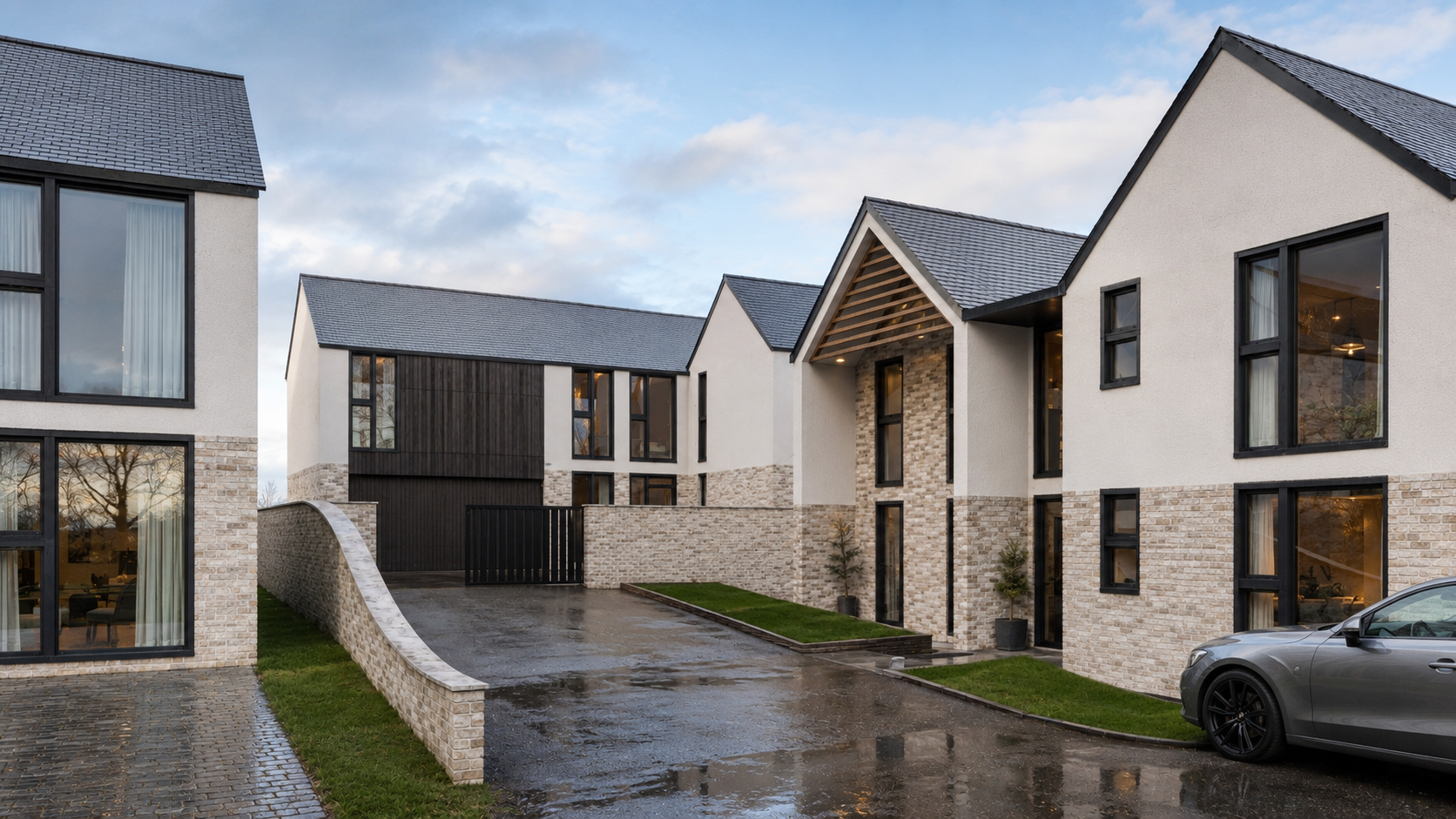
For clients considering a luxury new-build home, bespoke country house, rural conversion or high-end residential development, the key issue will be whether the revised policies make the principle of development easier to establish.
The final wording has not yet been confirmed, but the draft indicates potentially important opportunities for suitable sites across Derbyshire, Staffordshire, Cheshire and the surrounding Midlands and North West regions
Will the New NPPF Make Residential Development Easier?
The proposed NPPF would introduce stronger support for suitable development within existing settlements.
Draft policy S4 proposes that development should be supported in principle within settlements, subject to specified exceptions. This is broader than the current focus on suitable brownfield land and recognises that some undeveloped land within towns and villages may also be appropriate for development.
This could include relatively small sites such as residential gardens and other land within existing residential curtilages.
Potential opportunities could include:
- constructing a bespoke home within a large residential plot;
- developing an appropriate infill site;
- replacing an existing house with several high-quality homes;
- redeveloping underused commercial or storage land;
- creating a small luxury residential development;
- increasing the density of an existing residential site; and
- developing land that is physically contained within a settlement.
This does not mean that every garden, infill plot or undeveloped site will receive planning permission.
A proposal would still need to respond positively to its surroundings and demonstrate that it would not create unacceptable effects on:
- neighbouring properties;
- highway safety;
- landscape character;
- protected trees;
- drainage and flood risk;
- biodiversity;
- heritage assets; or
- local infrastructure.
However, the new policy could provide a clearer starting point for suitable development within towns and villages.
This could be particularly important in areas where an older Local Plan applies restrictive settlement policies or where a council is unable to demonstrate an adequate supply of housing land.
For the luxury residential sector, this may encourage a more design-led approach to smaller development sites. A limited number of carefully designed homes could be preferable to pursuing the maximum possible number of units where the site is sensitive or has a distinctive landscape and architectural context.
High-quality materials, strong landscaping and architecture that responds to local character will remain important. The proposed NPPF is intended to support development in appropriate locations, rather than lower the expected standard of design.
What Could the New NPPF Mean for Rural and Green Belt Sites?
The proposed new NPPF would continue to distinguish between development within settlements and development in the countryside.
Development outside settlements would remain more restricted. However, the draft identifies several forms of development that may be acceptable in principle, including:
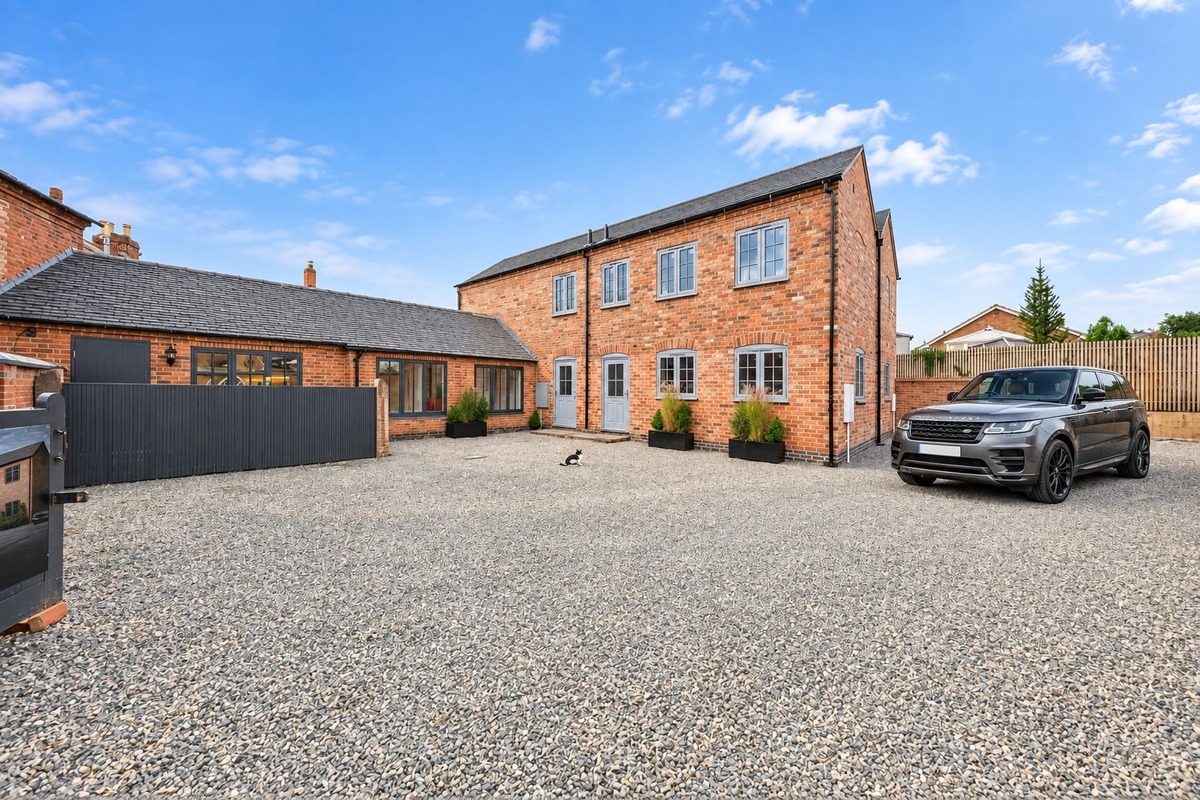
- the reuse of an existing building;
- the alteration or extension of an existing building;
- the replacement of an existing building;
- development required for a rural business or service;
- development that addresses an evidenced unmet need; and
- suitable development around well-connected railway stations.
The Government’s intention is to prevent isolated and unsustainable growth while providing greater clarity for development that genuinely requires or benefits from a rural location.
This could be relevant to clients considering:
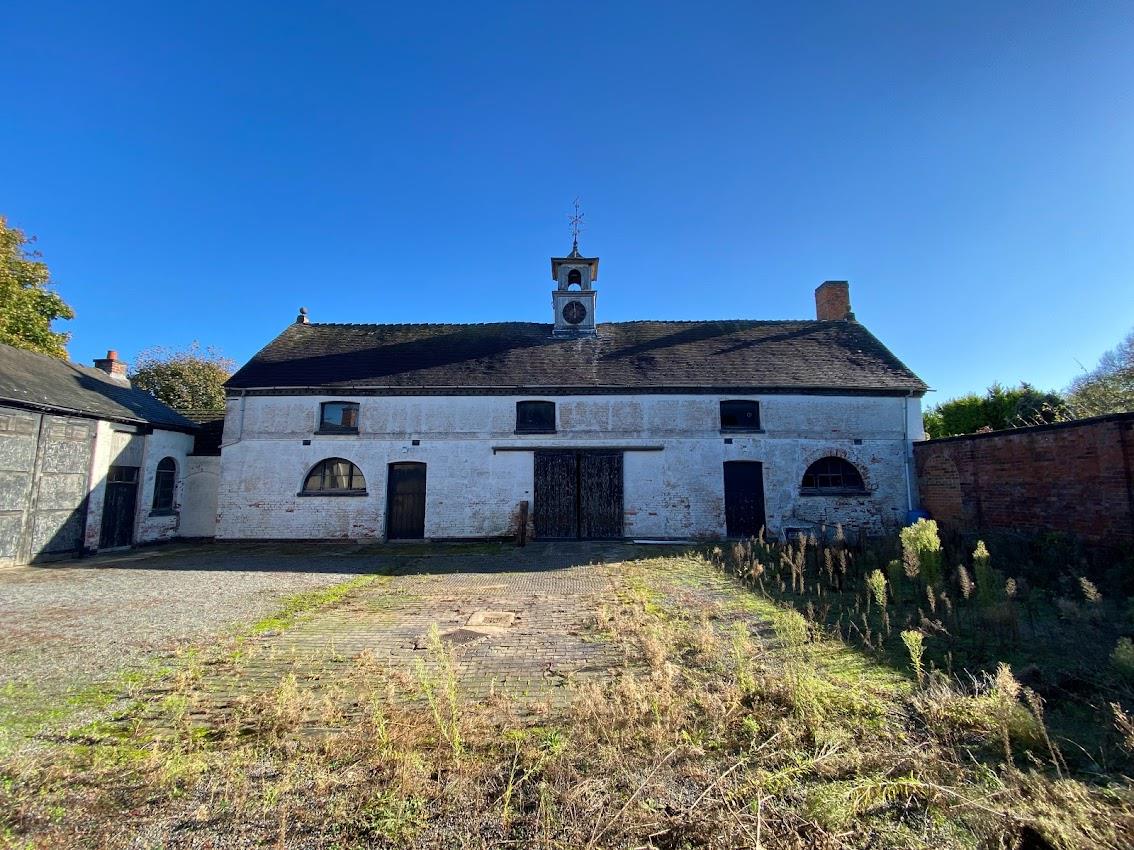
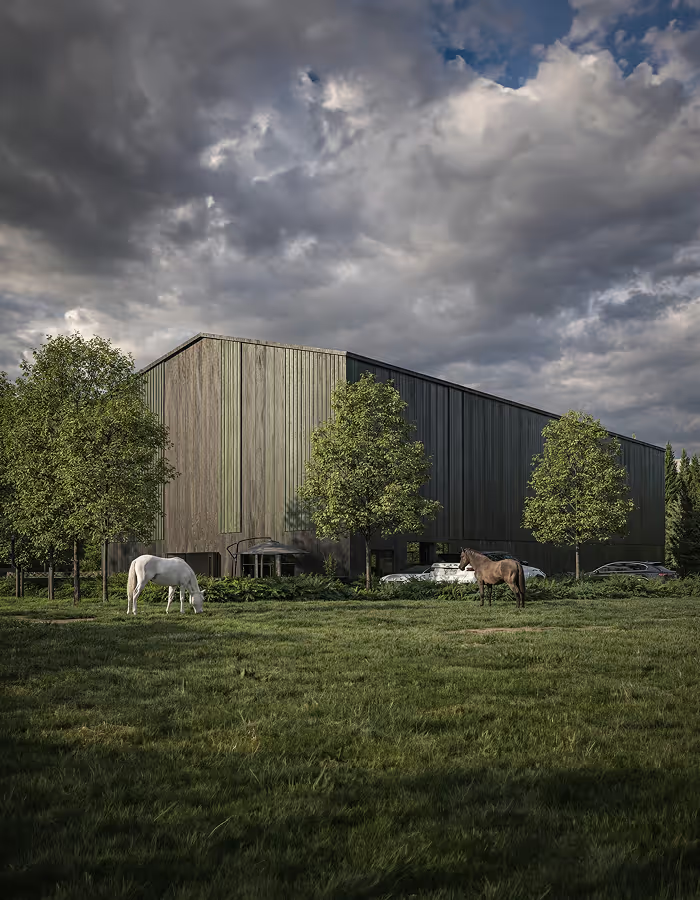
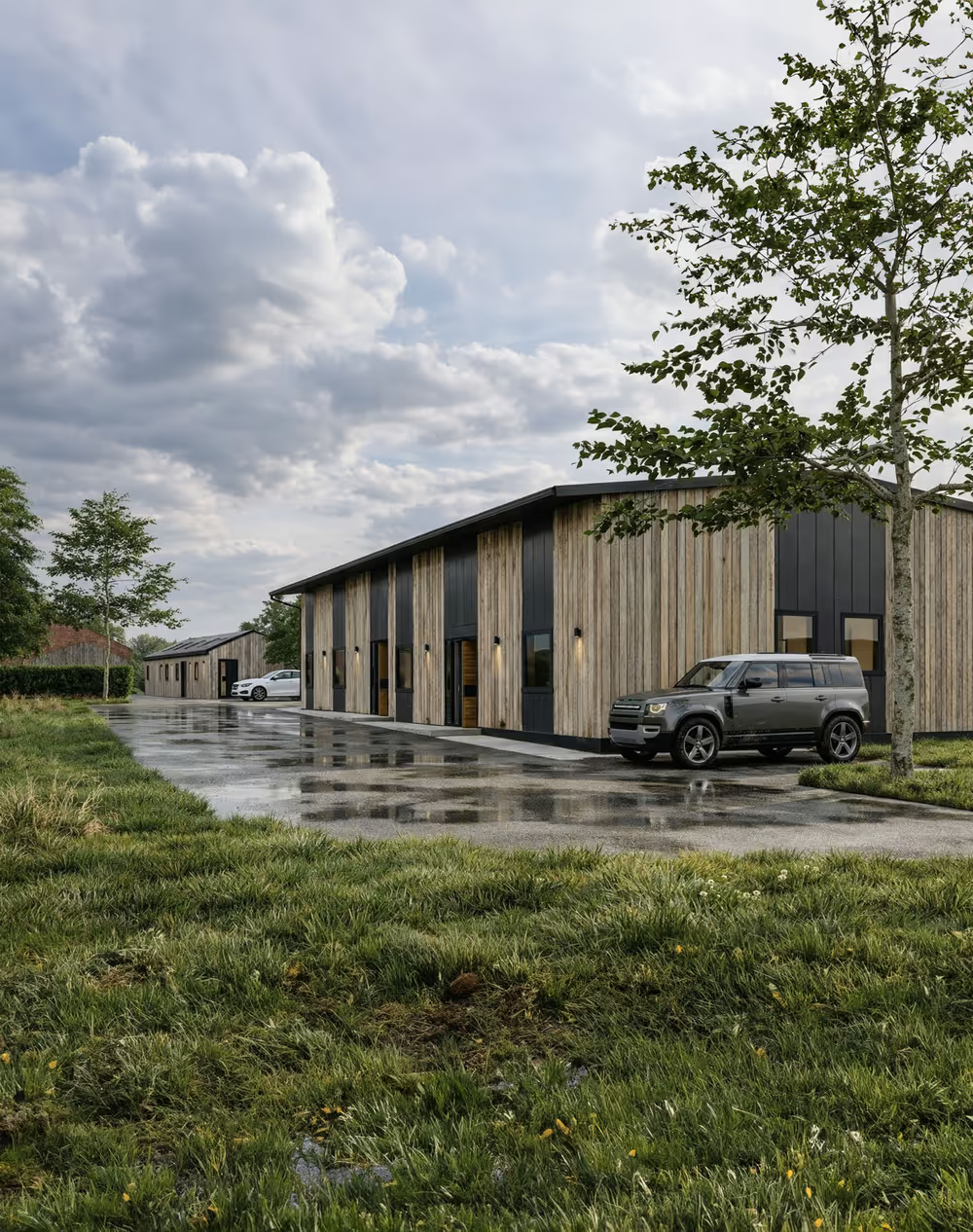
- the conversion of a redundant agricultural building;
- the redevelopment of a former farmstead;
- a replacement country house;
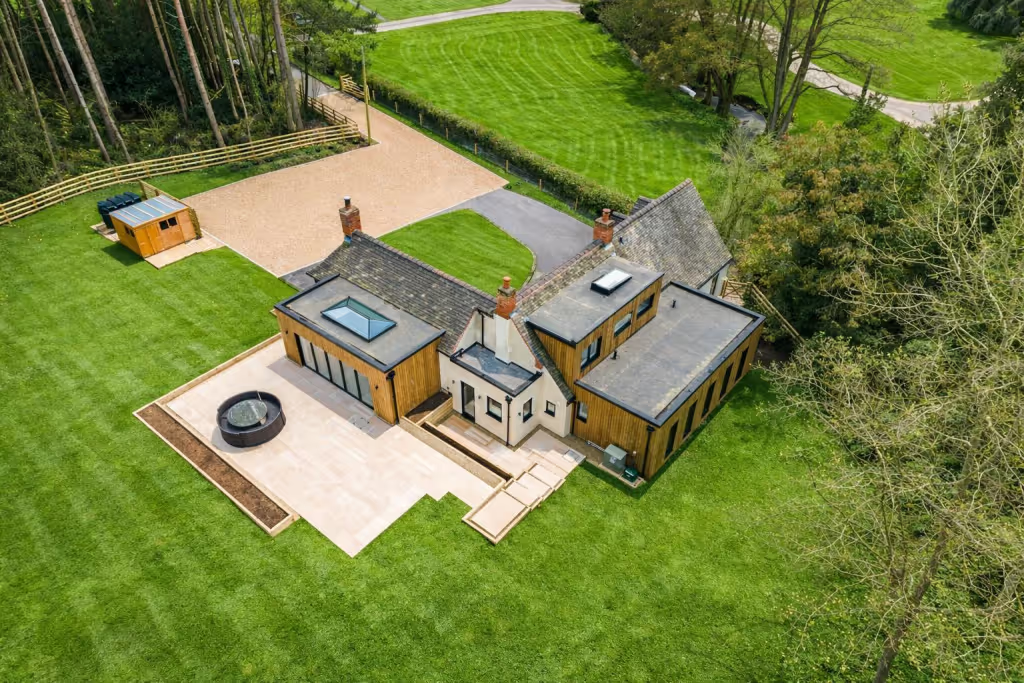
- the renovation and extension of a rural dwelling;
- the reuse of an estate building;
- rural business diversification; or
- a sensitively designed group of homes adjoining a settlement.
The Green Belt would remain protected, but the revised NPPF could alter how certain Green Belt proposals are assessed.
The current planning system already distinguishes between traditional Green Belt land, previously developed land and land that may meet the definition of grey belt. The proposed framework would provide further national direction on appropriate development, existing buildings and sustainable locations around railway stations.
The Green Belt designation does not exist primarily to protect attractive countryside. Its principal purpose is to control urban sprawl and maintain separation between settlements. The individual characteristics and planning history of a site are therefore critical.
A previously developed Green Belt site may be assessed differently from an undeveloped field. Similarly, the conversion or replacement of an existing building may be considered differently from the construction of a completely new isolated dwelling.
Luxury development in the Green Belt will still require a robust planning case. The scale, footprint, openness, landscape impact, access and design of the proposal will all need careful consideration.
The emerging NPPF should not be interpreted as a general release of Green Belt land. It may, however, create a clearer route for suitable sites that are well-related to existing development or already contain substantial buildings.
How Could the Reforms Affect Luxury and Heritage Properties?
The proposed NPPF could be particularly relevant to the luxury residential and heritage property market across Derbyshire, Staffordshire and Cheshire.
These areas contain a high number of:
- listed buildings;
- conservation areas;
- traditional farmsteads;
- former agricultural buildings;
- non-designated heritage assets;
- historic country houses; and
- sites within sensitive rural landscapes.
The draft NPPF retains strong protection for the historic environment. However, it also places greater emphasis on the positive contribution that well-designed development can make to a heritage asset.
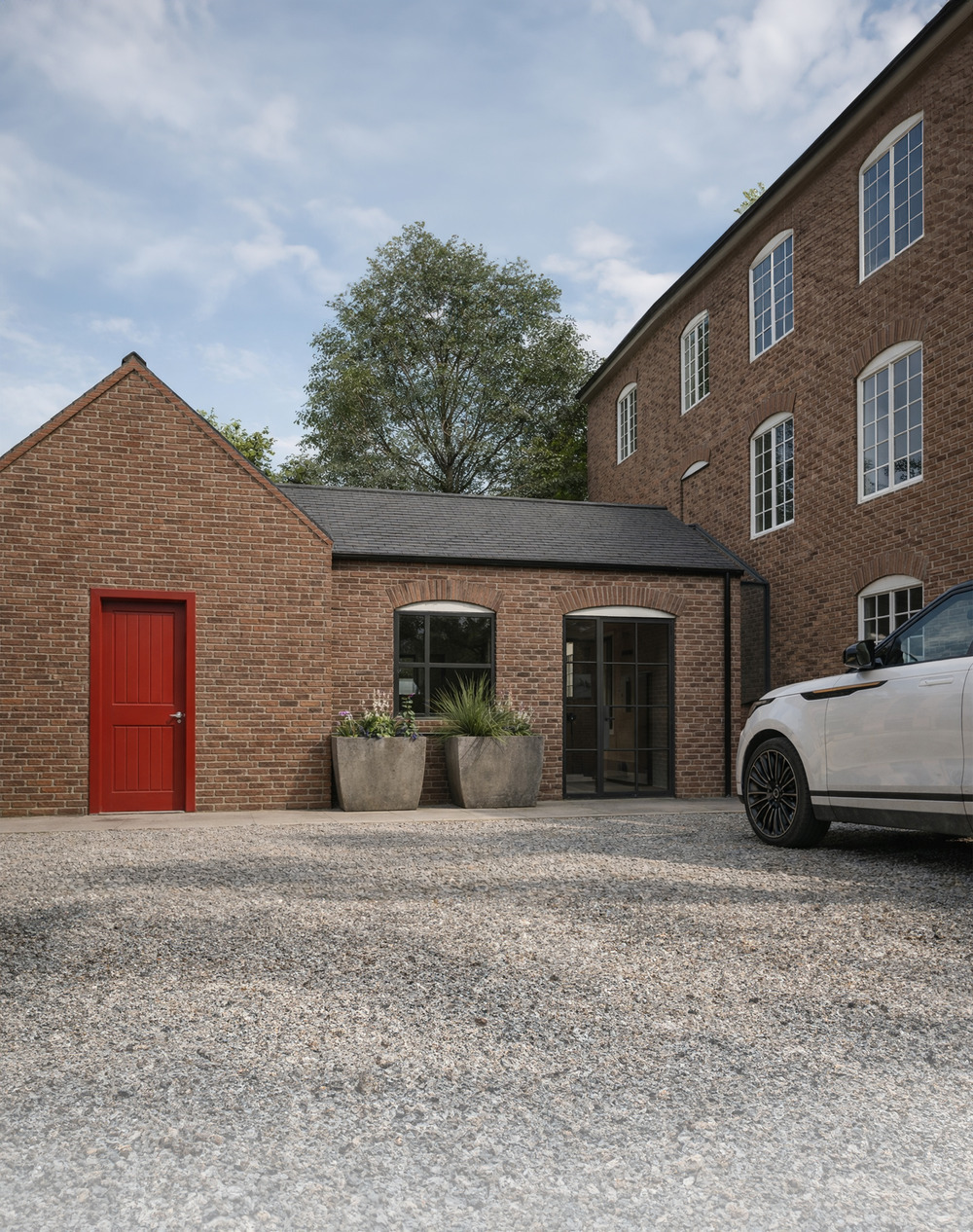
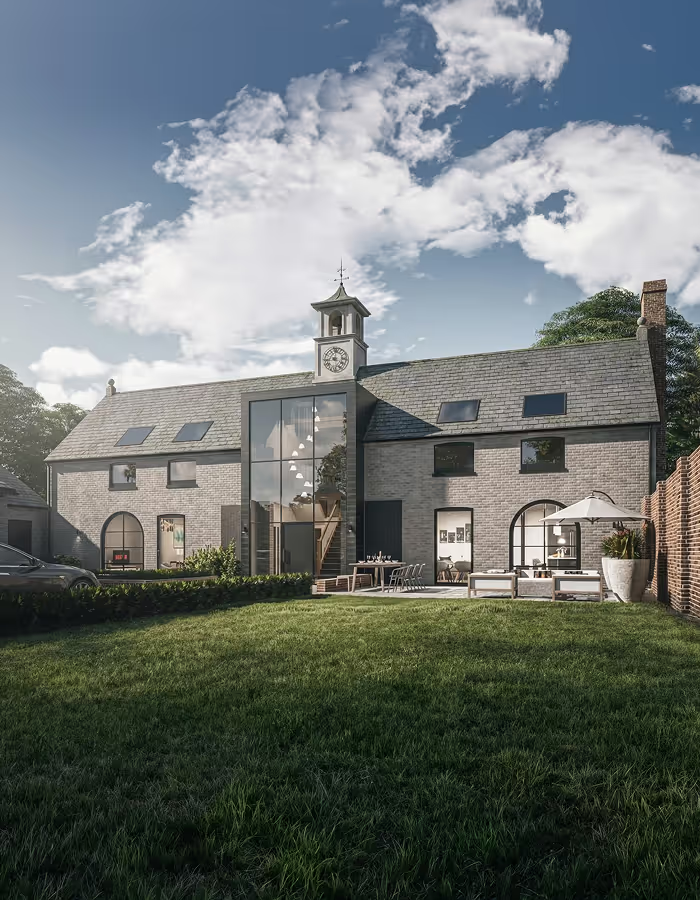
The proposals recognise that development can improve heritage outcomes. This may include bringing a vacant building back into use, repairing historic fabric, improving energy efficiency or providing a viable long-term purpose for an underused property.
This is important because the most effective way to protect many historic buildings is to give them a sustainable use.
A sensitive conversion or extension may be preferable to allowing a building to remain vacant and deteriorate. Nevertheless, applicants will still need to understand the significance of the heritage asset and provide a clear assessment of how the proposal would affect it.
For luxury heritage projects, a successful planning strategy will normally require the architecture, heritage case and commercial requirements to be developed together.
The design may need to balance:
- the retention of important historic fabric;
- modern family living requirements;
- energy efficiency;
- natural light;
- accessibility;
- contemporary additions;
- landscape setting; and
- the long-term maintenance of the property.
The draft also supports design approaches that conserve energy, reuse existing buildings and materials and respond to future climate conditions.
This could strengthen the case for carefully designed improvements to older properties, including discreet renewable-energy measures, thermal upgrades and contemporary extensions that allow a historic building to function as a modern luxury home.
The strongest schemes will not attempt to disguise new work as historic. Instead, they will create a clear and considered relationship between the original property and the contemporary intervention.
What Should Landowners and Developers Do Before the New NPPF Is Published?
Landowners and developers do not necessarily need to wait for the final NPPF before assessing a site.
The draft policy is not currently the adopted national framework, but it provides a strong indication of the Government’s intended direction. Early feasibility work can identify whether a site may benefit from the proposed reforms and whether an application should be prepared now or reviewed once the final framework is published.
Sites that may be worth reassessing include:
- large gardens and residential curtilages;
- infill plots within towns and villages;
- low-density residential sites;
- underused commercial properties;
- land close to railway stations;
- redundant rural buildings;
- previously developed Green Belt sites;
- country houses capable of redevelopment;
- listed or historic buildings requiring a viable new use; and
- sites affected by an old or restrictive Local Plan.
The proposed NPPF will not remove the need for a site-specific planning assessment.
National policy is only one part of the planning process. A feasibility review should also consider:
- the adopted and emerging Local Plan;
- settlement boundaries;
- Green Belt and grey belt status;
- conservation-area designations;
- listed and non-designated heritage assets;
- landscape designations;
- planning history;
- access and highway constraints;
- flood risk and drainage;
- ecology and biodiversity net gain;
- protected trees;
- neighbouring amenity; and
- the likely viability of the development.
For luxury residential schemes, the planning strategy should be informed by the quality and character of the proposed development from the outset.
A well-considered concept can demonstrate how the site will accommodate a distinctive home or residential scheme without compromising landscape, heritage or local character. This is often more effective than preparing a generic design and attempting to justify it later.
At Hawkstone, we combine architectural design, planning strategy and development feasibility to assess opportunities before significant time and expense are committed.
Our services include:
- planning feasibility assessments;
- site and planning-history reviews;
- development capacity studies;
- luxury residential concept design;
- heritage-led design;
- Green Belt assessments;
- pre-application enquiries;
- planning applications; and
- high-quality architectural visualisation.
We work with homeowners, landowners and developers across Derbyshire, Staffordshire, Cheshire and the surrounding areas, specialising in bespoke homes, luxury residential development and sensitive rural sites.
If you are considering purchasing land, redeveloping an existing property or exploring the potential of a rural or Green Belt site, an early planning review can establish the most appropriate route forward.
Contact Hawkstone to discuss your site and arrange an initial planning and development feasibility review.
This article reflects the proposed NPPF reforms available in August 2026. The draft framework has not yet replaced the current NPPF, and the final policies may differ following the Government’s consideration of consultation responses

.avif)
.png)

%20(1).avif)
.avif)
%20(1).avif)
.png)
.png)
.avif)
.png)
.jpg)
.avif)
.avif)

.avif)
%20(1).avif)
.avif)

.avif)