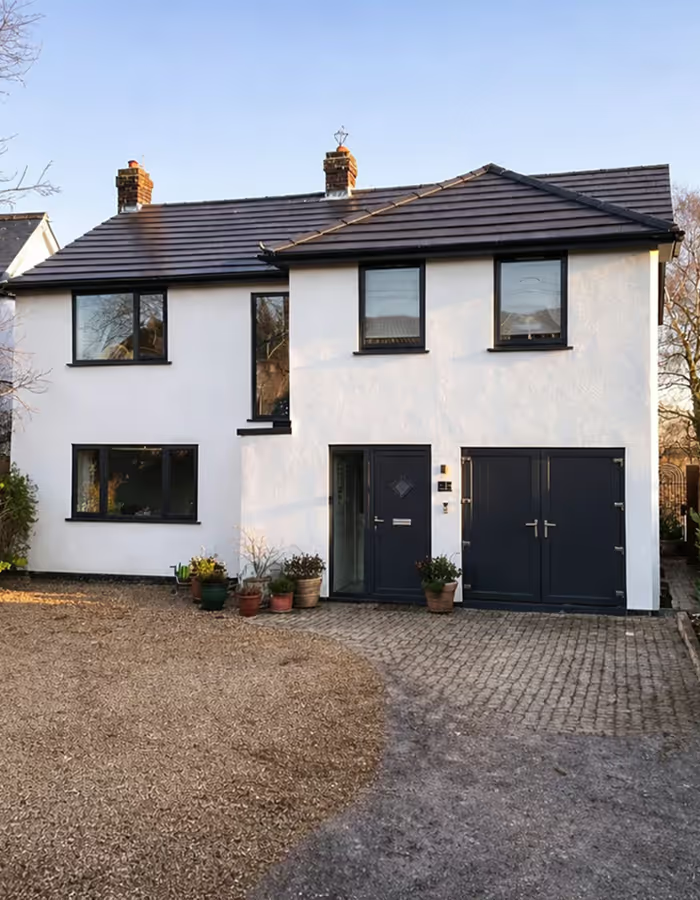

How long does planning permission take in the UK?
Most planning applications in England should be determined within eight weeks. Major developments normally have a 13-week determination period, increasing to 16 weeks where an Environmental Impact Assessment is required.
These timescales begin once the application has been validated and do not include the surveys, design work, drawings or reports needed before submission.
In practice, an application may take longer if the council requests amendments, requires additional information or agrees an extended determination period with the applicant.
The correct application route depends on the nature, scale and location of the proposed development. Choosing the wrong route can lead to delays, additional costs or an application being rejected before the planning merits have been considered.
Householder planning permission
A householder application is normally used for alterations or additions to a single dwelling, including extensions, dormers, garages and other works within the residential boundary.
These applications usually have an eight-week determination period. This route cannot normally be used for works to flats, the creation of additional dwellings or a change of use.
Full planning permission
A full planning application provides the Local Planning Authority with the detailed information needed to assess the complete proposal. It may be used for new houses, conversions, changes of use and other developments that do not fall within the householder process.
Non-major applications usually have an eight-week determination period. Major developments generally have a 13-week period, increasing to 16 weeks where an Environmental Impact Assessment is required.
Outline planning permission
Outline permission establishes whether the principle of development is acceptable before every design detail is finalised. It is often used for residential development where matters such as appearance, landscaping, layout, scale or access can be reserved for later approval.
Outline applications normally follow the same eight or 13-week timescales, depending on whether the proposal is classed as major development.
Outline permission does not allow construction to begin. A subsequent Reserved Matters application must be submitted and approved before the development can proceed.
Reserved Matters
A Reserved Matters application deals with the details left unresolved by an outline planning permission. These can include access, appearance, landscaping, layout and scale.
The information must remain consistent with the original outline permission and its conditions. The determination period will generally be eight weeks for non-major development and 13 weeks for major development.
Permission in Principle and Technical Details Consent
Permission in Principle is a two-stage route intended primarily to establish whether a site is suitable in principle for housing-led development. The first stage considers the fundamental matters of location, land use and the amount of development.
The second stage is an application for Technical Details Consent, which considers the detailed design and technical matters. Technical Details Consent has a statutory determination period of ten weeks for non-major development and 16 weeks for major development.
Both stages must be approved before development can begin.
Prior Approval
Some development may be possible under permitted development rights but still require an application for Prior Approval. Examples can include certain agricultural building conversions, larger home extensions and specified changes of use.
Many Prior Approval applications have an eight-week determination period, although the exact period depends on the particular permitted development right being used. Some routes have shorter, strictly defined timescales.
Prior Approval should not be treated as automatic permission. The authority can still assess the specific matters allowed under the relevant legislation, such as highways, flooding, noise, contamination, external appearance or the effect on neighbouring properties.
Lawful Development Certificate
A Lawful Development Certificate can confirm that an existing or proposed use, operation or development is lawful.
A proposed certificate is commonly used to confirm that work falls within permitted development rights. An existing certificate may be used to establish the lawfulness of historic development or a long-established use.
A Lawful Development Certificate is not the same as planning permission. The application is determined on legal facts and evidence rather than the planning merits of the development.
Applications should normally be decided within eight weeks. The responsibility rests with the applicant to supply sufficiently clear and convincing information.
Listed Building Consent
Listed Building Consent may be required for internal or external work that affects the special architectural or historic interest of a listed building. This can include alterations that would not normally require planning permission, such as changes to internal walls, staircases, fireplaces, historic doors or traditional materials.
Applications are normally determined within eight weeks, or 13 weeks for major proposals. More complex cases may take longer, particularly where Historic England must be consulted.
Planning permission and Listed Building Consent are separate approvals. A project may require both, and receiving one does not remove the need to obtain the other.
Discharge of planning conditions
Planning permission is often granted subject to conditions requiring additional information before work starts, before particular stages are reached or before the development is occupied.
Applications to approve or discharge planning conditions should generally be determined within eight weeks. However, specialist information, material samples or consultation with external bodies can extend the practical timescale.
Pre-commencement conditions must be formally discharged before the relevant work begins. Starting prematurely could place the development in breach of planning control.
What happens during the planning determination period?
Once an application has been submitted, it passes through several stages before a decision is issued.
Validation
The Local Planning Authority first checks whether the required plans, forms, certificates, fees and supporting documents have been provided.
National requirements apply to all applications, but each authority may also maintain its own local validation list. Depending on the project, this might require a Design and Access Statement, Heritage Statement, ecological assessment, tree survey, drainage information, biodiversity information or other specialist reports.
If something is missing, the application may be declared invalid. Addressing validation requests promptly is important because a significant delay can occur before the public planning process has even started.
Consultation and publicity
Once validated, the application is publicised. Neighbours may be notified and the proposal will usually appear on the authority’s online planning register.
Relevant technical consultees may also be contacted. These can include the highway authority, Lead Local Flood Authority, conservation officer, tree officer, environmental health team, ecology officer, parish council and Historic England.
The standard public consultation period is commonly 21 days, although the precise requirements depend on the application.
Planning officer assessment
The assigned planning officer assesses the proposal against the development plan and other material planning considerations.
These may include:
• The principle of development
• Design, character and appearance
• Heritage impact
• Neighbouring amenity
• Highway safety and parking
• Ecology and Biodiversity Net Gain
• Trees and landscaping
• Flood risk and drainage
• Sustainability
• Relevant national and local planning policy
The officer may undertake a site visit and can request clarification or amendments where appropriate. However, applicants should not assume that an opportunity to revise the design will always be offered.
Decision
Most applications are determined under delegated powers by professional planning officers. Applications may instead be referred to a planning committee where they meet the council’s adopted criteria.
If approved, the Decision Notice will identify the approved drawings and any planning conditions. If refused, it should clearly state the planning reasons for the decision.
A planning approval should be reviewed carefully before technical design or construction begins. Conditions, approved documents and restrictions can materially affect how and when the project is delivered.
Why do planning applications sometimes take longer?
An eight-week target does not guarantee that every householder or minor application will receive a decision within exactly eight weeks.
Common causes of delay include:
• Validation requests for additional information
• High workloads within the planning department
• Objections from neighbours or local groups
• Delayed responses from statutory consultees
• Negotiations over design amendments
• Heritage, ecology, drainage or highway concerns
• The need for revised drawings or supporting reports
• Planning committee dates and reporting deadlines
• Completion of a Section 106 legal agreement
• Changes to the proposal after submission
Where an authority cannot determine an application within the original statutory period, it may ask the applicant to agree an Extension of Time.
An Extension of Time establishes a revised decision date. Agreeing to one can provide additional time to resolve a specific planning concern, obtain consultee comments or secure an amendment that could prevent refusal. However, extensions should have a clear purpose and a realistic revised deadline.
If no extension has been agreed and the authority does not issue its decision within the statutory period, the applicant may have a right to appeal against non-determination. This should be considered carefully, as an appeal transfers the decision away from the Local Planning Authority and can introduce a much longer process.
Planning Performance Agreements
For larger, more complicated or strategically important developments, the applicant and Local Planning Authority may enter into a Planning Performance Agreement, commonly called a PPA.
A PPA is a project-management framework that can establish:
• A programme for pre-application discussions
• Submission requirements
• Key meeting dates
• Consultation arrangements
• Responsibilities of different parties
• Target dates for reports and decisions
• Arrangements for a planning committee
• The handling of legal agreements and planning obligations
A PPA usually involves an additional fee paid to the Local Planning Authority. It does not guarantee planning permission and should not be regarded as a way to purchase a favourable decision.
It can, however, provide a clearer and more realistic timetable for a complex application that would be difficult to determine properly within the standard statutory period.
The purpose of a PPA is generally to improve communication, coordination and decision-making. It does not necessarily mean the application will be decided more quickly.
How early should you start the planning process?
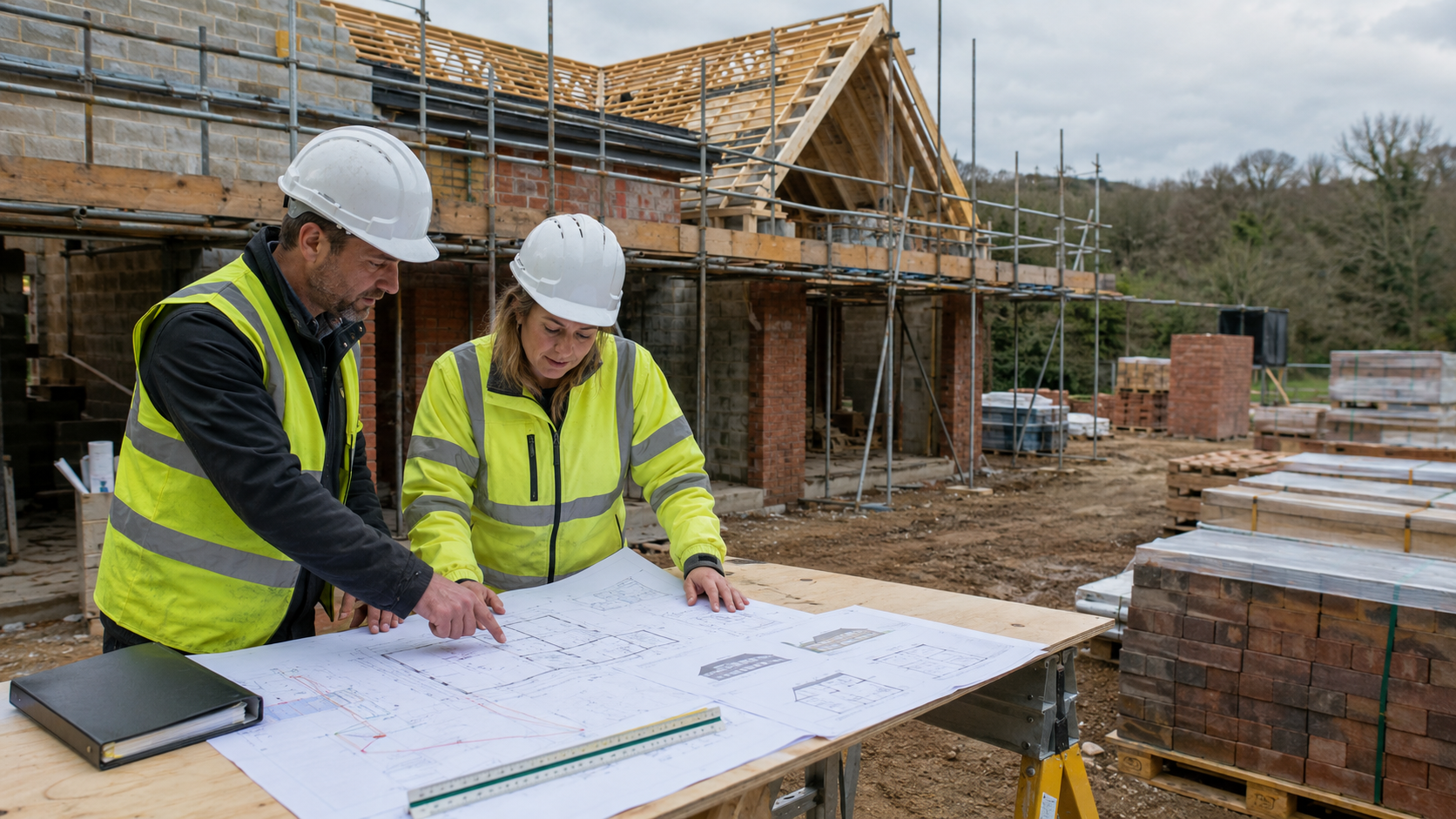
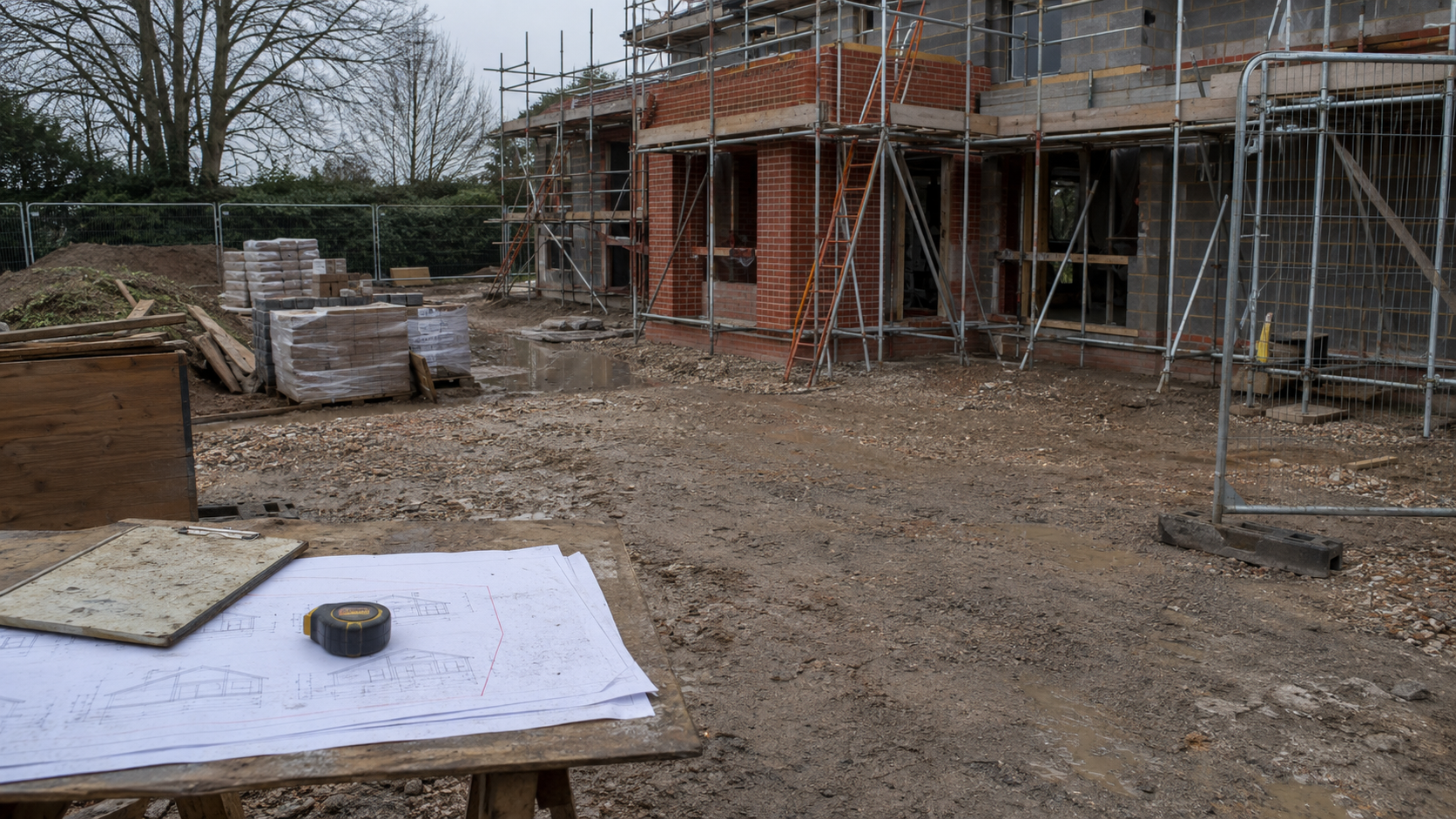
The planning determination period is only one part of the pre-construction programme. Before an application is submitted, time may be needed to survey the property, develop the design and appoint any necessary consultants.
For a relatively straightforward residential project, a realistic programme might include:
• Initial consultation and project brief
• Measured survey
• Concept design and client review
• Development of the preferred proposal
• Preparation of planning drawings
• Supporting reports and consultant information
• Submission and validation
• Eight-week planning determination period
• Discharge of any pre-commencement conditions
• Technical design and Building Regulations approval
More complex projects involving listed buildings, rural sites, new homes, protected trees, ecology, Green Belt land or difficult access can require a considerably longer lead-in period.
Seasonal constraints should also be considered. Certain ecological surveys can only be completed at particular times of year, and missing a suitable survey window can delay a project by several months.
Starting the planning process early allows time to identify constraints before they become expensive problems. It also provides an opportunity to coordinate the architectural design with heritage, ecology, highways, drainage and other technical requirements.
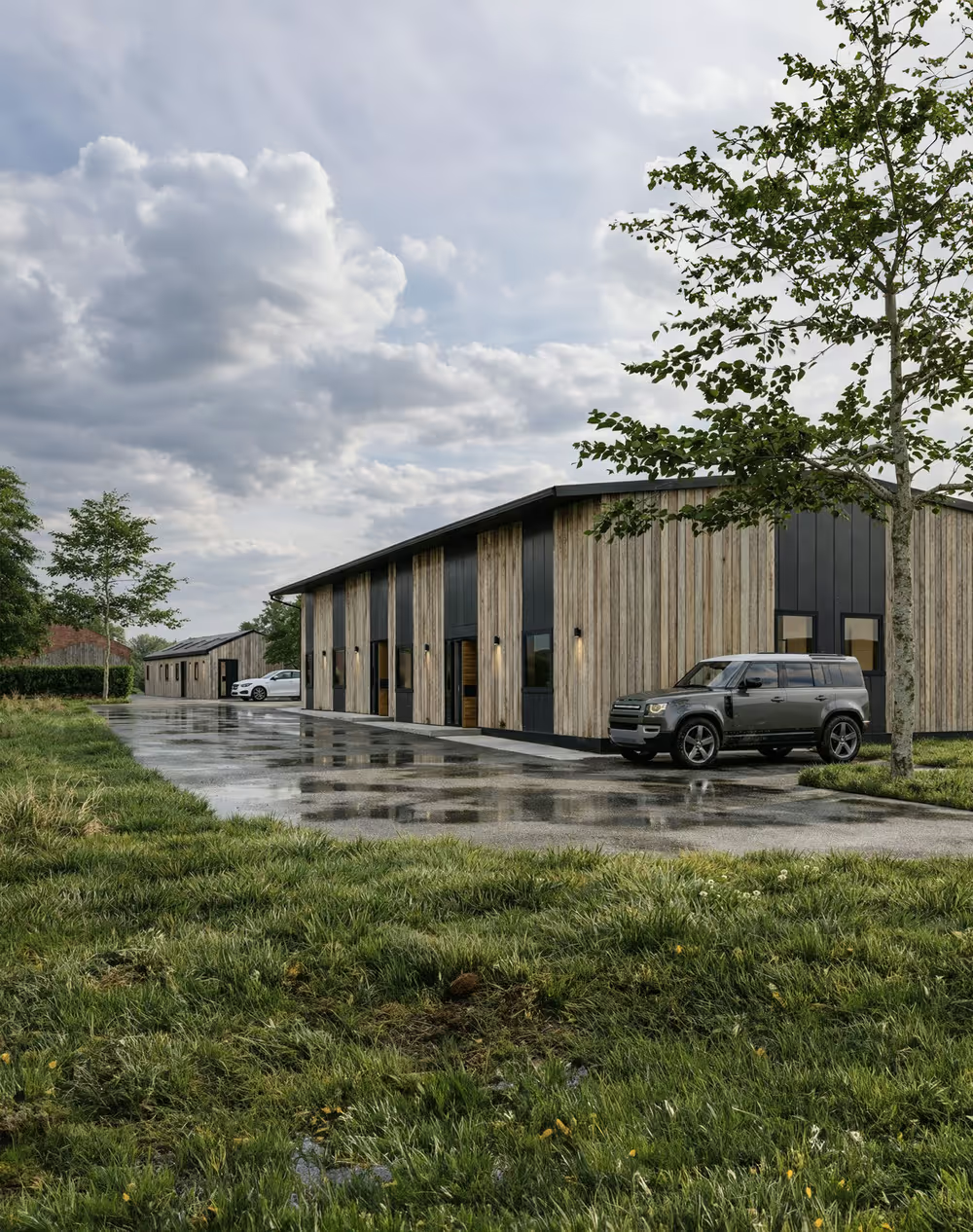
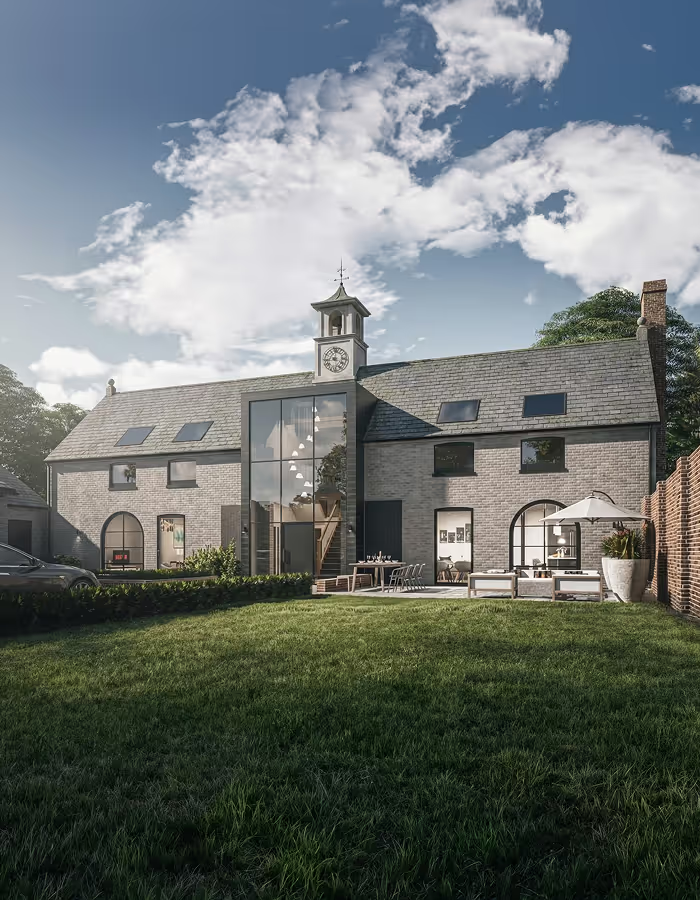
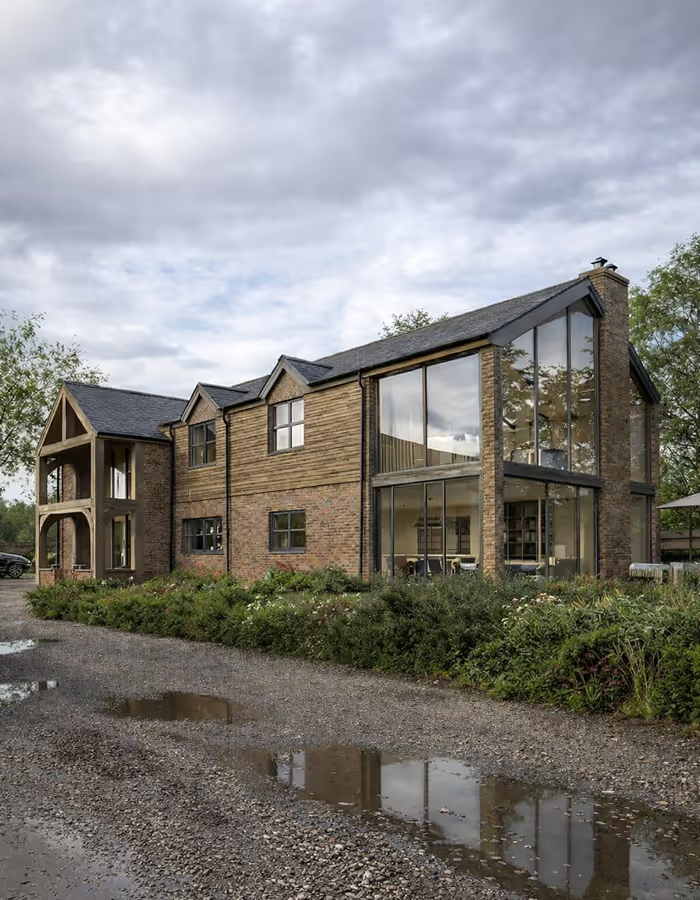
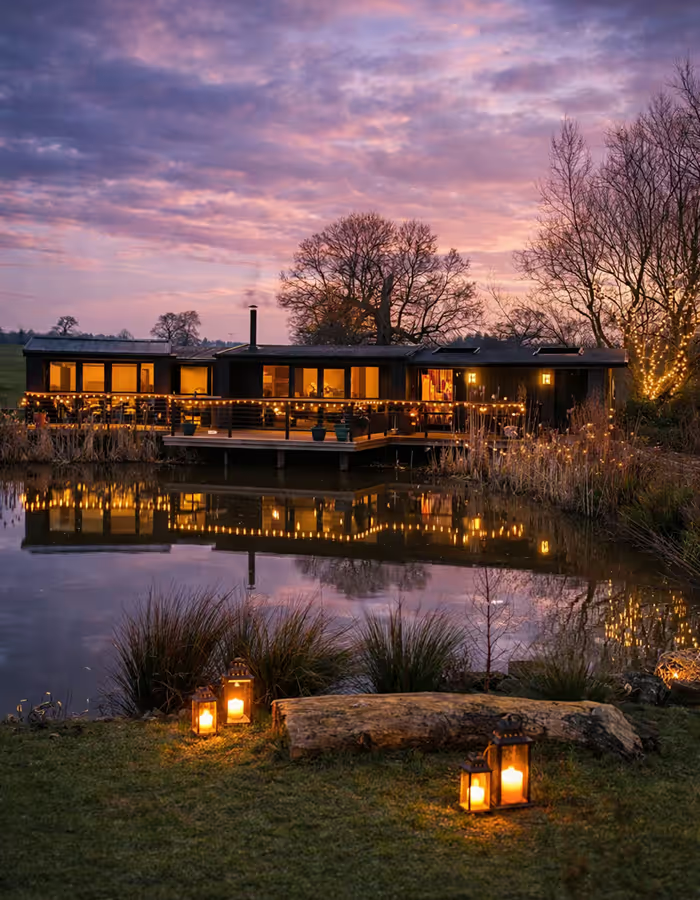
At Hawkstone Developments, we support clients from the earliest feasibility and design stages through to planning submission, technical design and construction. Our in-house architectural visualisations also help clients, planning officers and other stakeholders understand how a proposal will sit within its surroundings.
If you are considering an extension, bespoke home, rural conversion or heritage project, early professional advice can help establish the most appropriate planning route and a realistic programme for securing the necessary approvals.

.png)
.avif)

.png)
%20(1).avif)
.avif)
.png)
.jpg)
.avif)
.avif)
.avif)
.png)
.avif)
%20(1).avif)
%20(1).avif)

.avif)

.avif)