
How planning decisions have changed
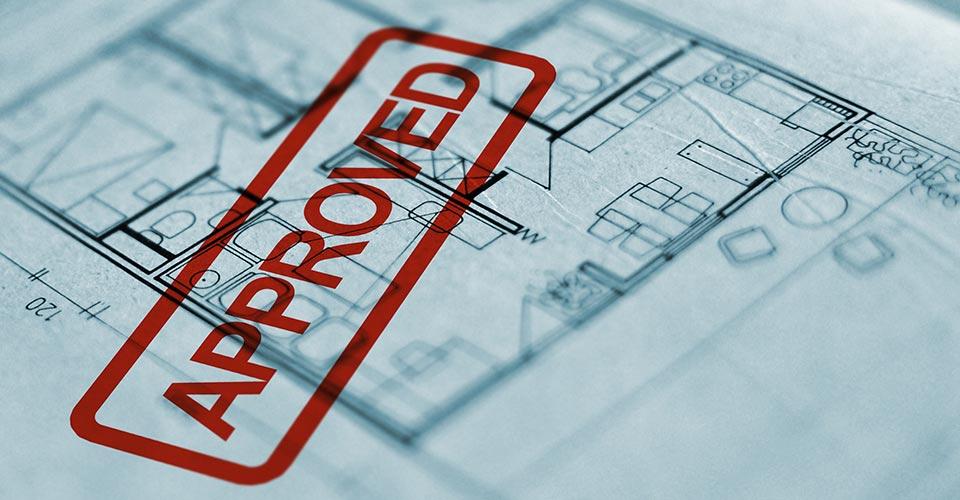
From 31 October 2026, new national rules govern which planning applications must be decided by planning officers and which can be considered by a planning committee. Known as the National Scheme of Delegation, the reforms aim to create a more consistent approach and reduce delays associated with referring straightforward applications to committee.
For homeowners and private developers, the intended benefit is greater certainty about the route an application will follow. Planning committees will focus on proposals that warrant their consideration, while specified application types must be determined by officers.
These rules apply to most local planning authorities in England. National Park Authorities, including the Peak District National Park Authority, sit outside the scheme, so it is important to establish which authority will determine your application.
Which applications must be decided by officers?
Schedule 1 of the regulations identifies application types that must be determined by officers, subject to the exceptions within the legislation. These include:
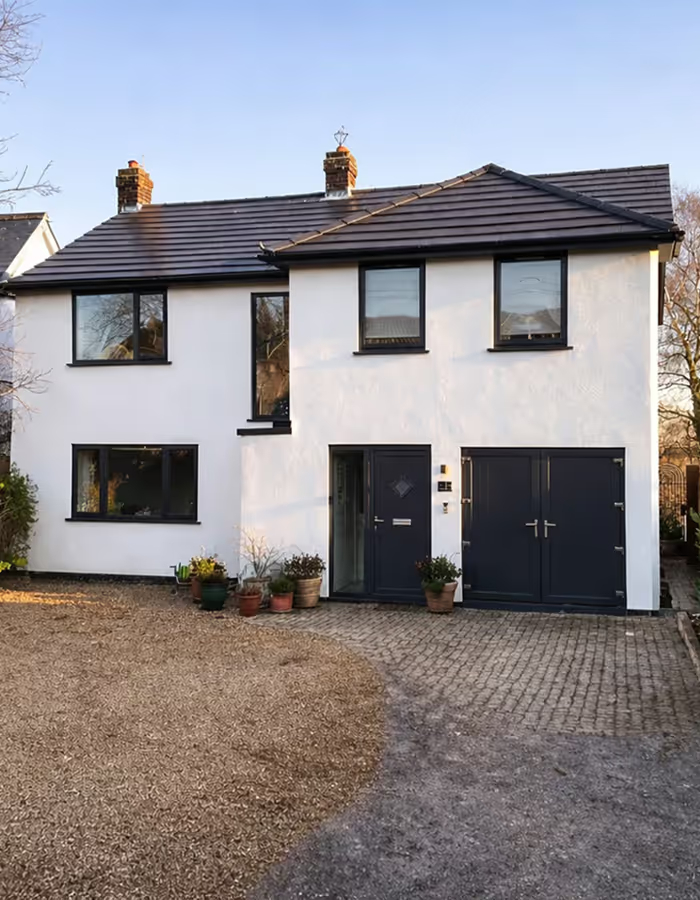
- Householder applications, such as extensions and roof alterations requiring planning permission.
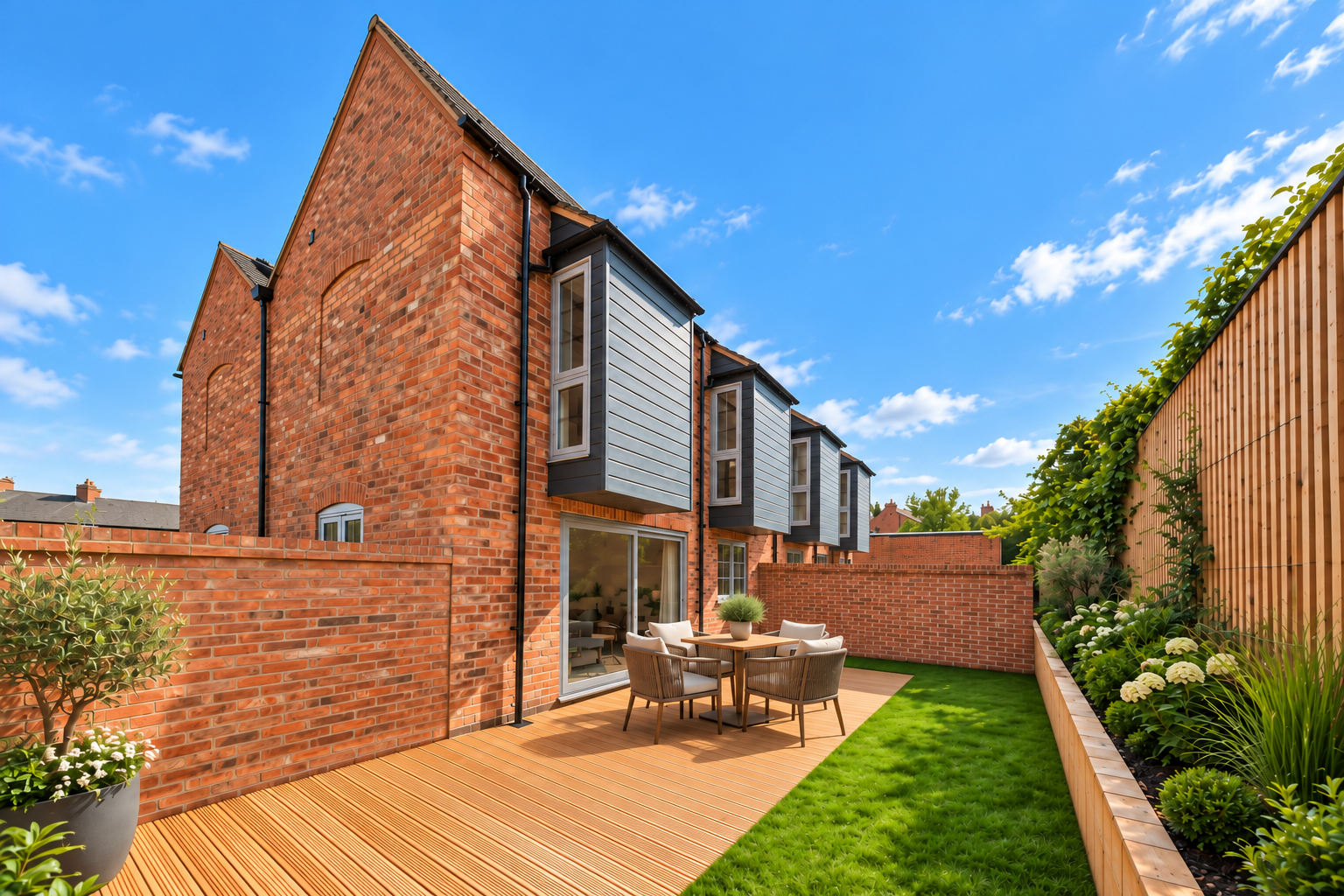
- Qualifying residential schemes of one to nine dwellings on sites smaller than 0.5 hectares, comprising housing and associated incidental development.
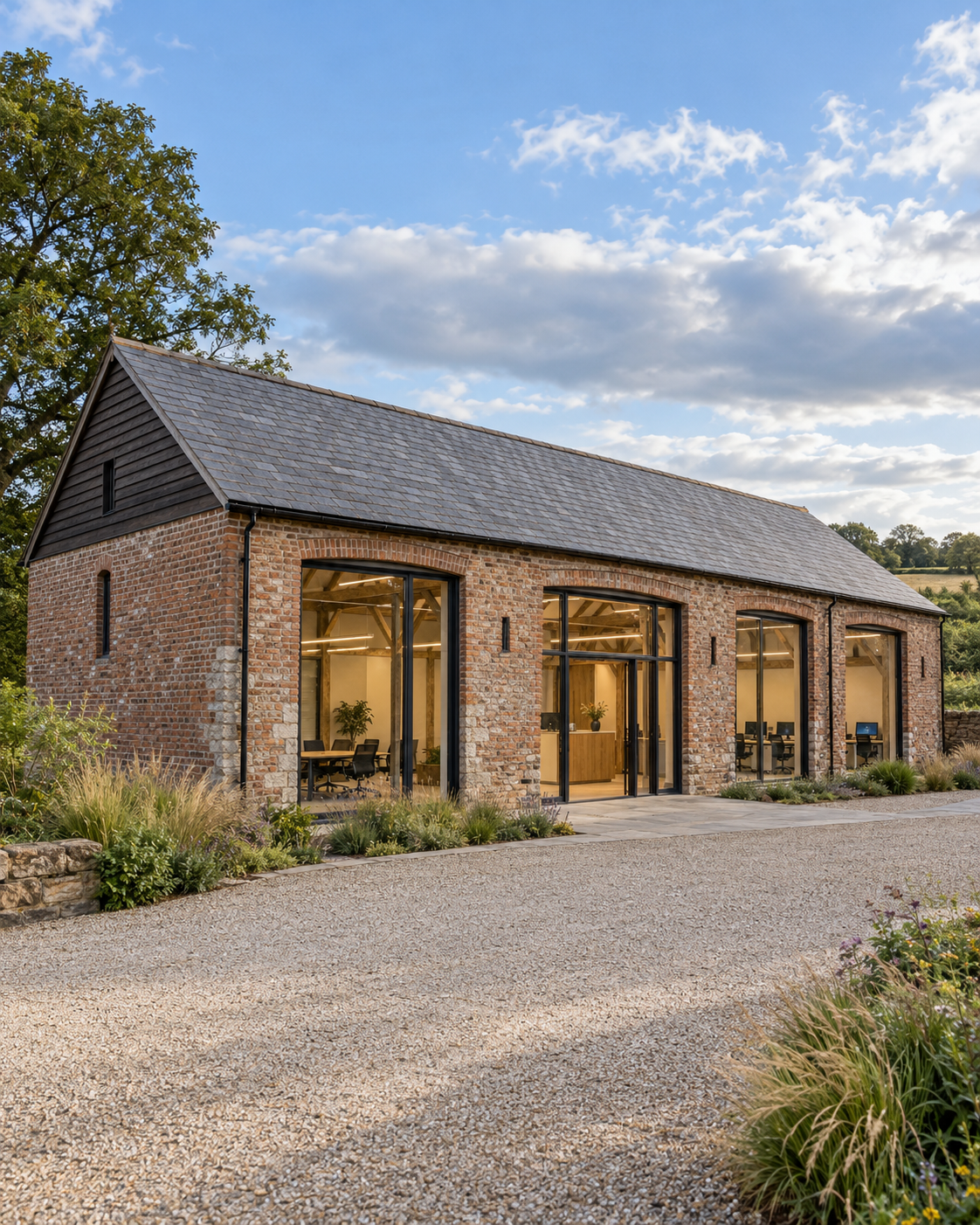
- Minor commercial applications within the relevant statutory definition.
- Applications for Permission in Principle.
- Prior approval applications under permitted development rights.
- Certificates of lawfulness and applications to discharge planning conditions.
The housing threshold is specific: both the number of dwellings and the site area matter. A proposal for fewer than ten homes does not automatically qualify for this category if the site is 0.5 hectares or larger.
Linked listed building applications and other exceptions can also affect the decision route.
When can an application still go to committee?
Planning committees retain a role under the new system. Schedule 2 covers applications that may be referred to committee, including larger development proposals, listed building consent, certain planning applications linked to listed building consent, retrospective planning applications and applications for works to protected trees.
For these applications, referral requires agreement between the council’s nominated officer and nominated committee member. They must consider that the proposal raises an issue of economic, social or environmental significance to the local area, or a significant planning matter having regard to the development plan and other material considerations. Applications that are not referred must be decided by officers.
Separate arrangements apply where the council, one of its members or an officer has an interest in an application. These can be referred by agreement between the nominated officer and member without meeting the same significance test.
What this means for objections and timescales
Neighbours, parish councils and other consultees can continue to comment on planning applications. Relevant planning matters raised during consultation still need to be considered.
However, a particular number of objections, a parish council objection or a councillor’s request can no longer automatically trigger committee consideration under the national scheme. The application must follow the decision route set by the regulations.
A full planning application still needs to address design quality, neighbouring amenity, heritage, access and other relevant planning matters. An officer decision can result in either approval or refusal.
Reducing the need to wait for a committee meeting may help some applications progress more efficiently. It does not guarantee a quicker decision on every project. For most ordinary non-major planning applications, the statutory determination period remains eight weeks from validation unless a longer period is agreed in writing. Other application routes can have different deadlines.
A considered approach to your planning application
For applicants, our advice is to establish the likely decision route early and prepare a clear, well-supported proposal. The design and supporting information should make it straightforward for the decision-maker to understand the project, its benefits and its relationship with the surrounding area.
At Hawkstone Developments, we bring architectural design and planning considerations together from the outset. We assess the site, develop the brief and shape proposals around the opportunities and constraints that will influence the application.
Our services encompass concept design, spatial planning, 3D visualisation and planning submissions, with specialist consultant input coordinated where required. Whether you are considering a bespoke replacement dwelling, an extension or a small residential development, we can help establish an appropriate approach and present the proposals clearly.
To discuss your property or development site, contact Hawkstone Developments to arrange an initial consultation.